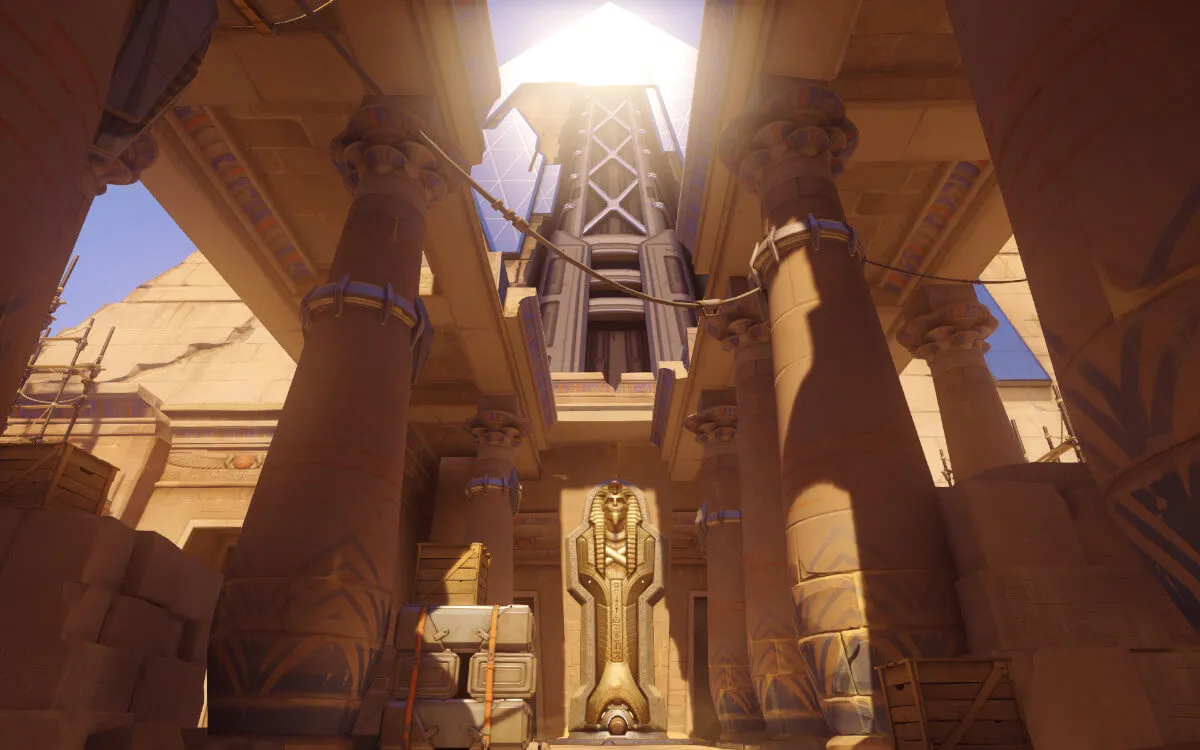
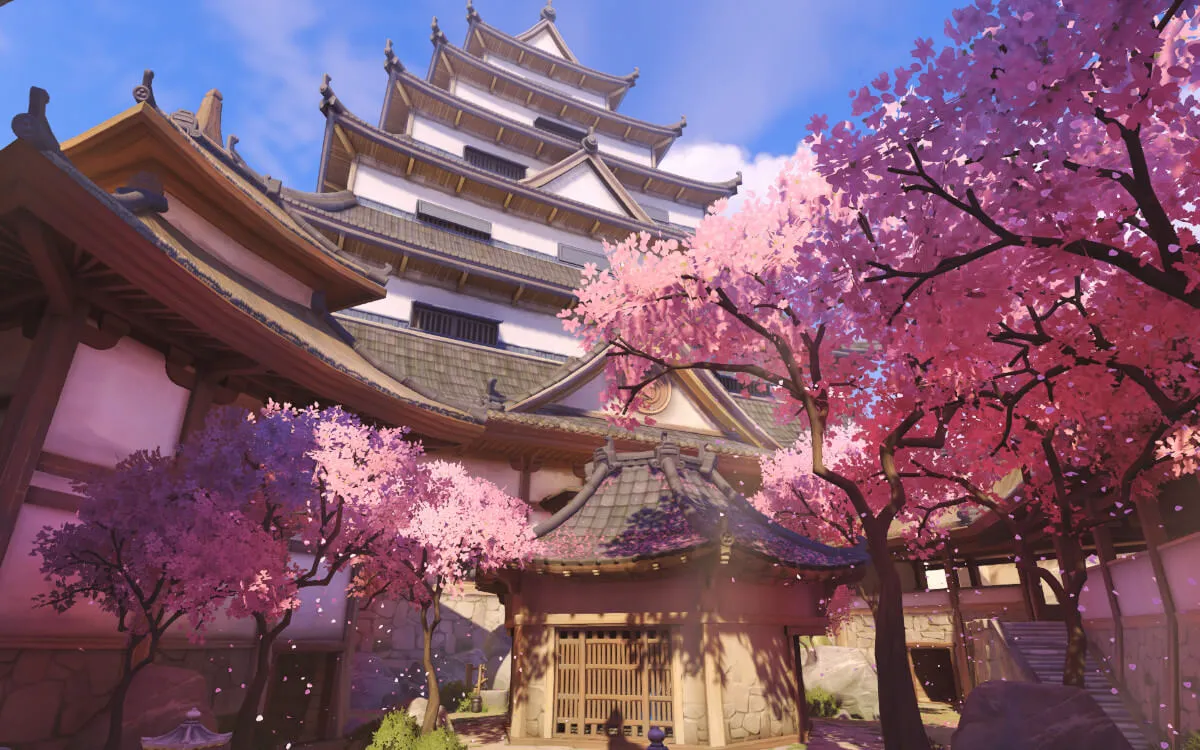
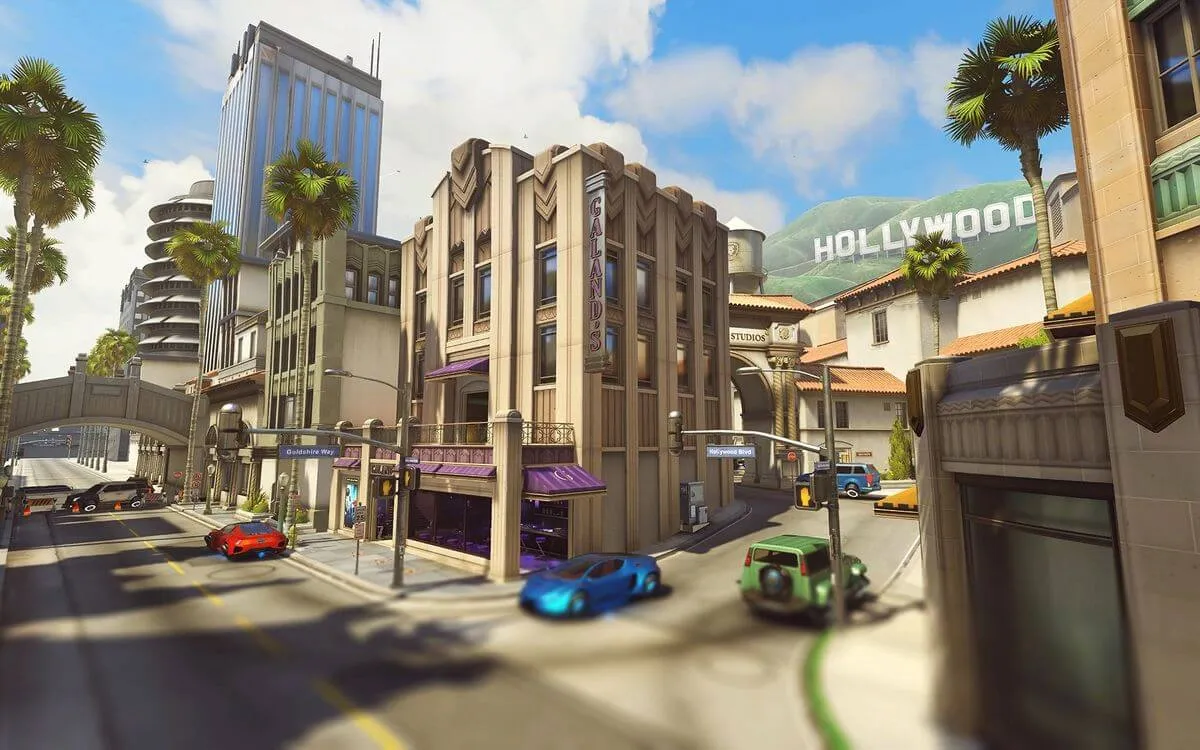
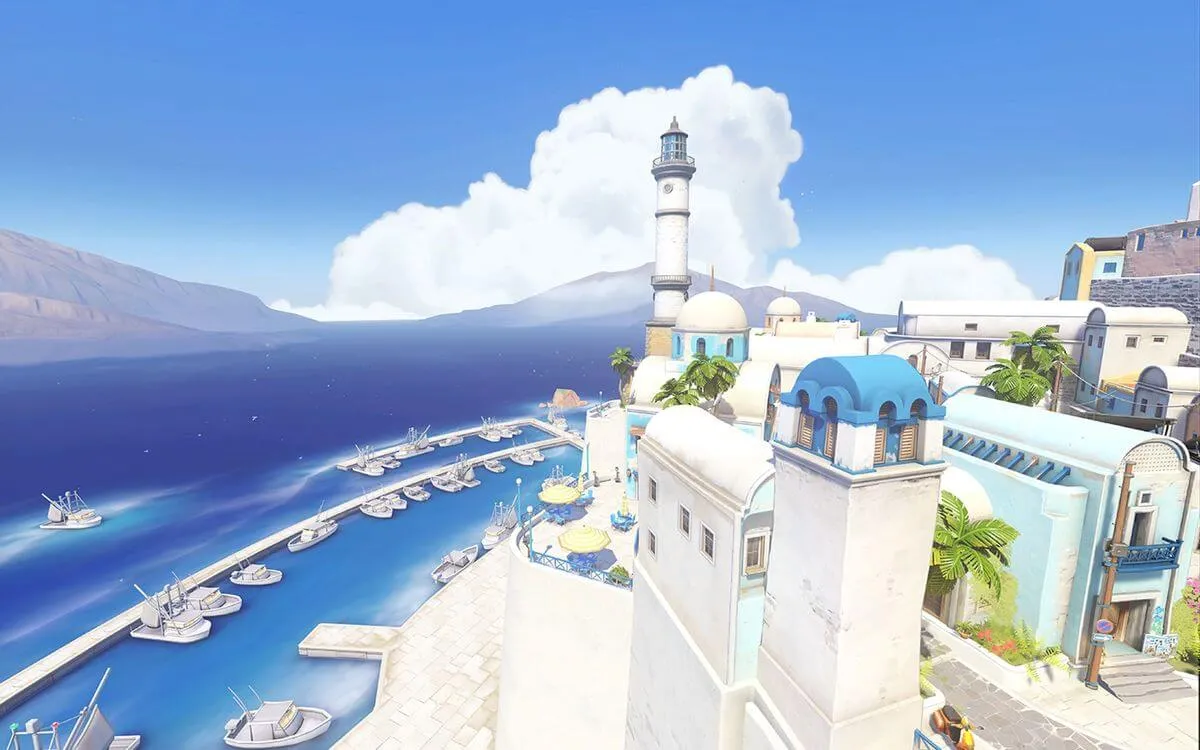
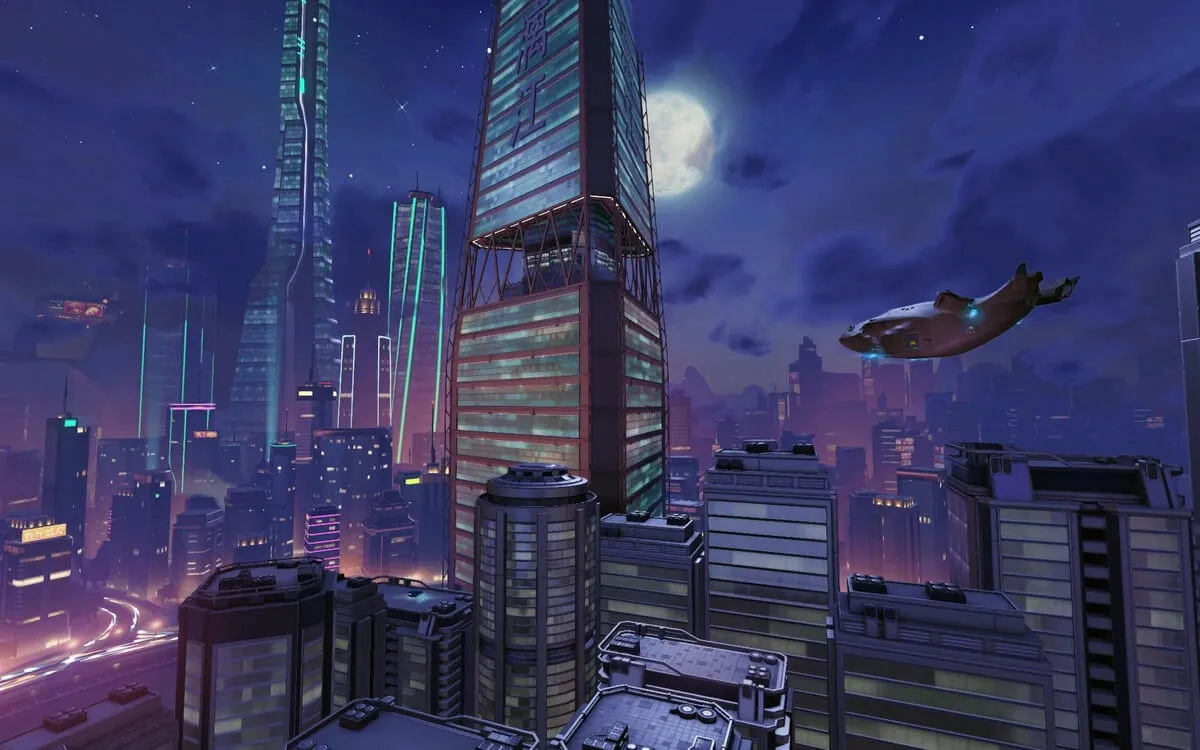
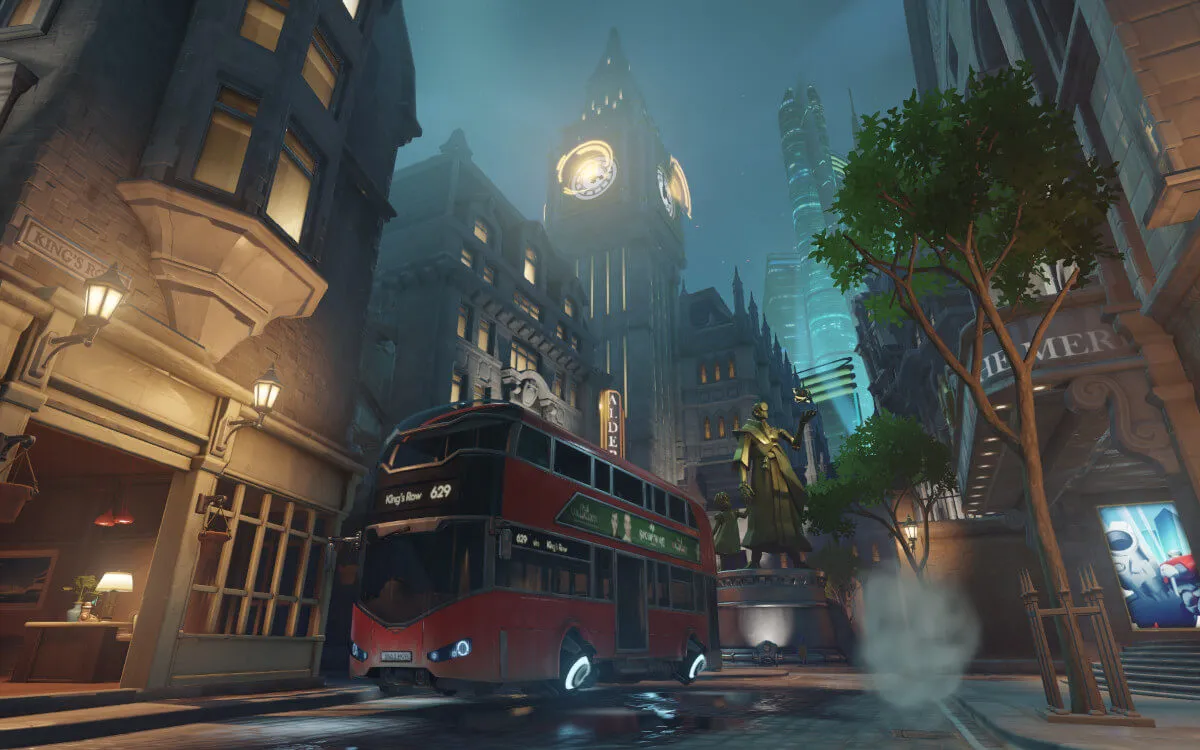
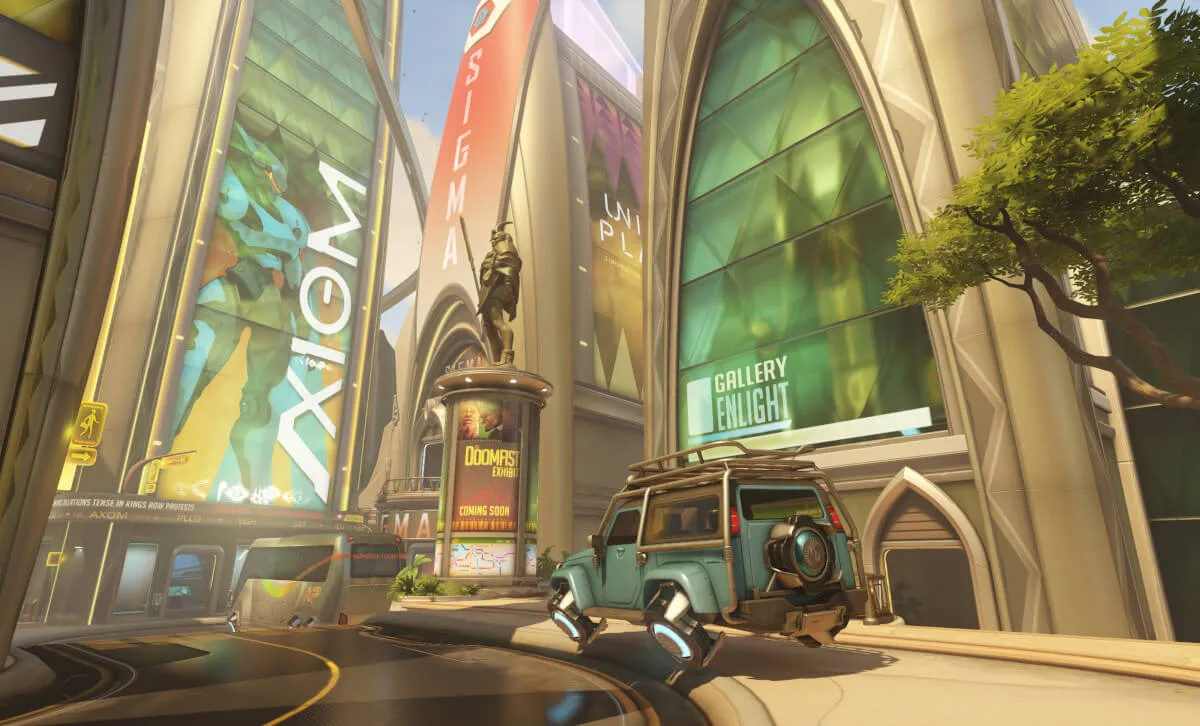
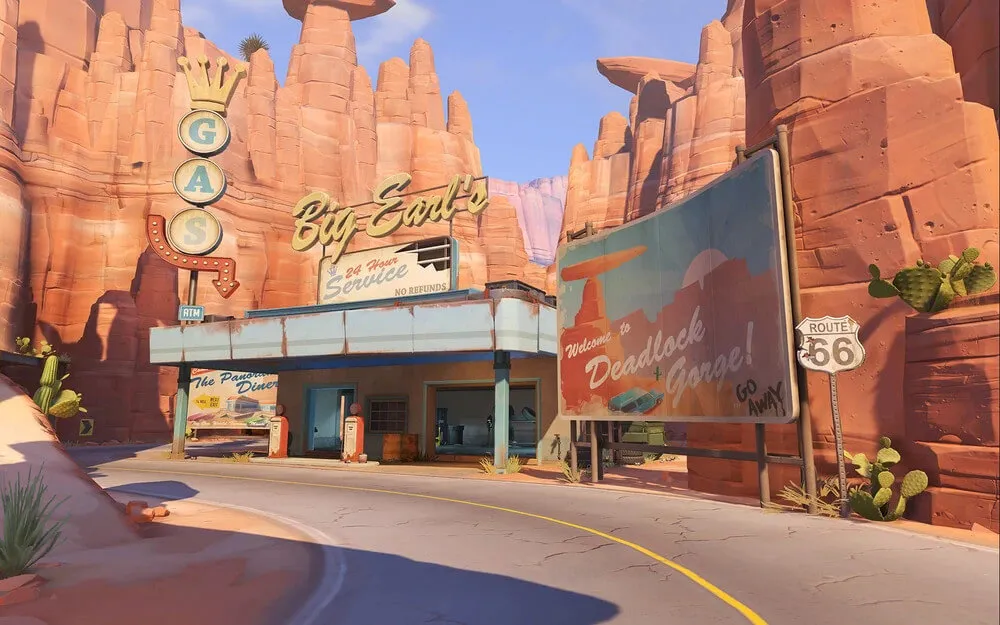
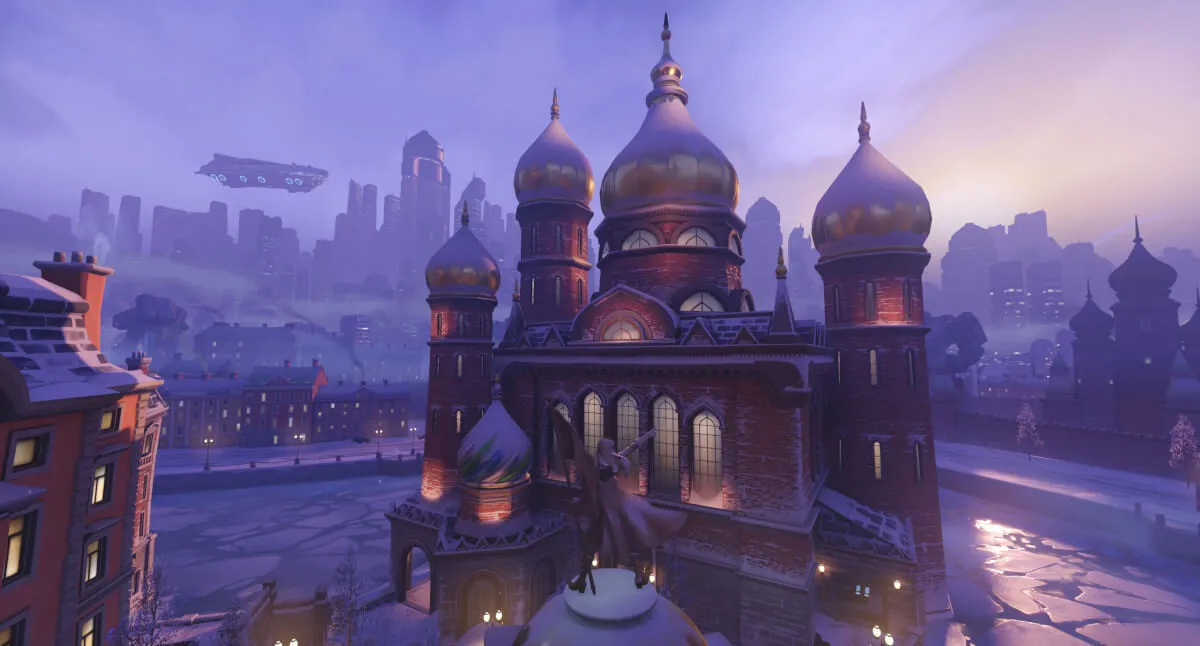
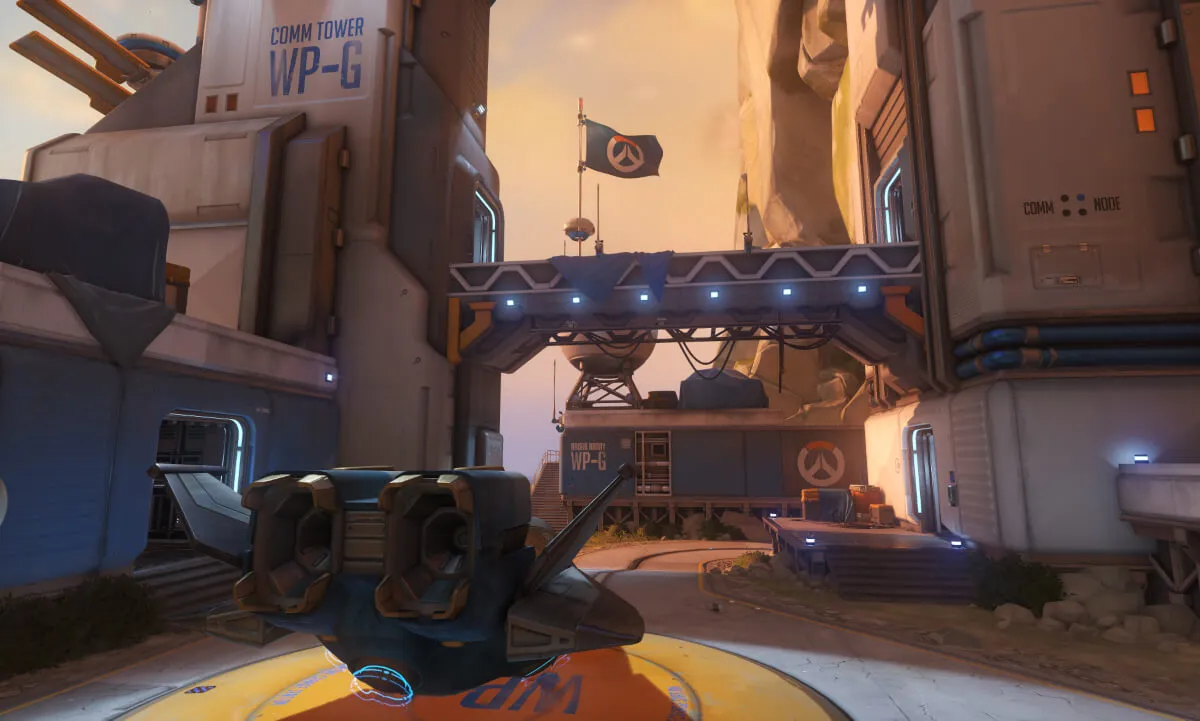
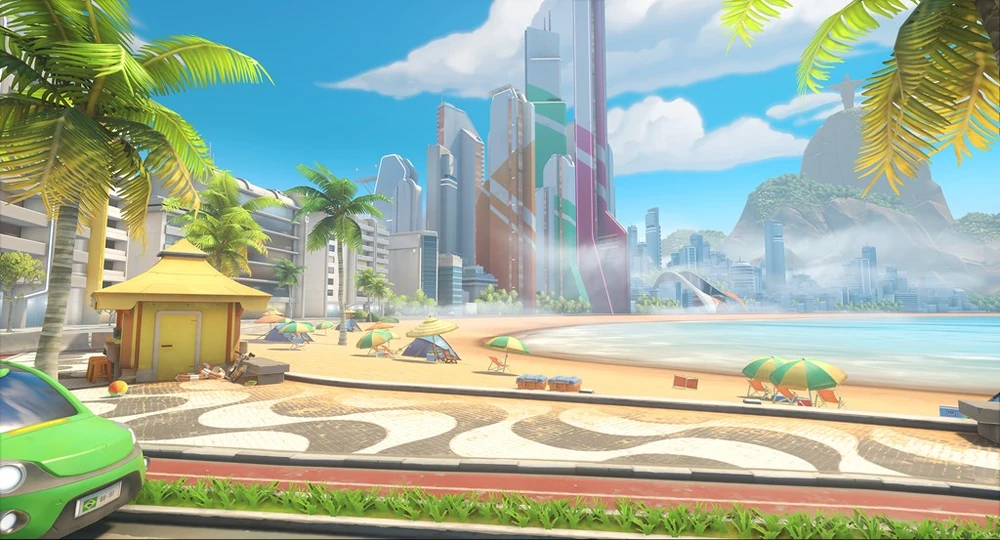
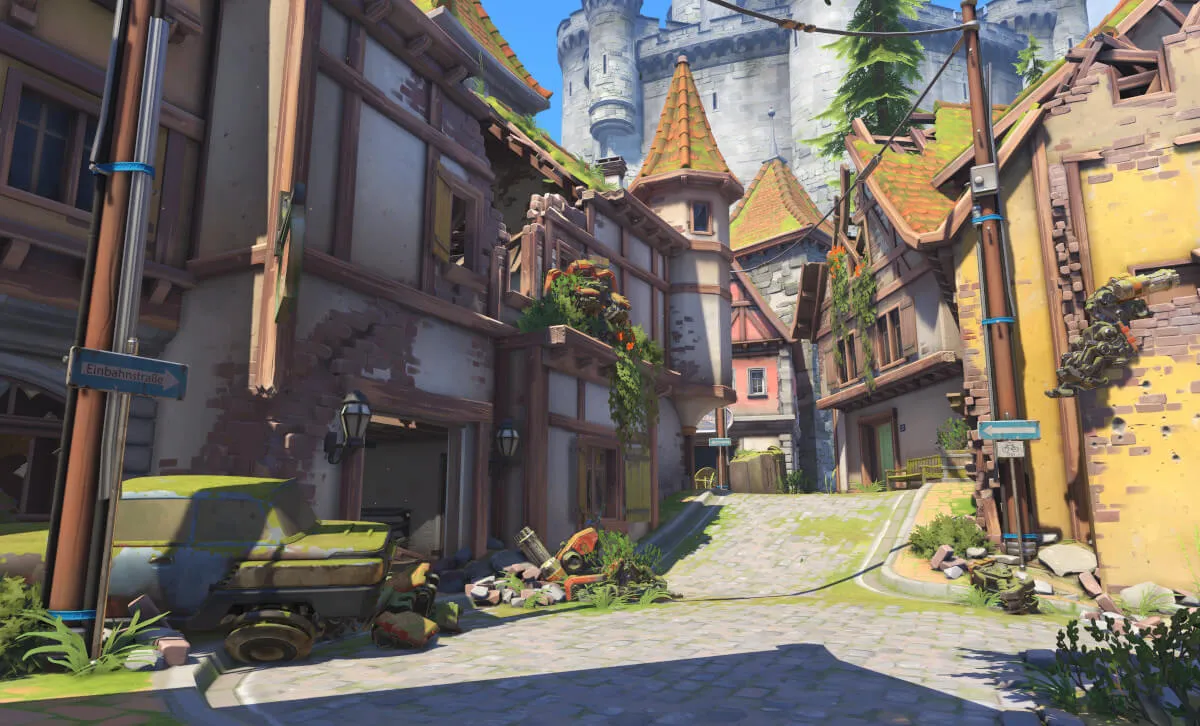
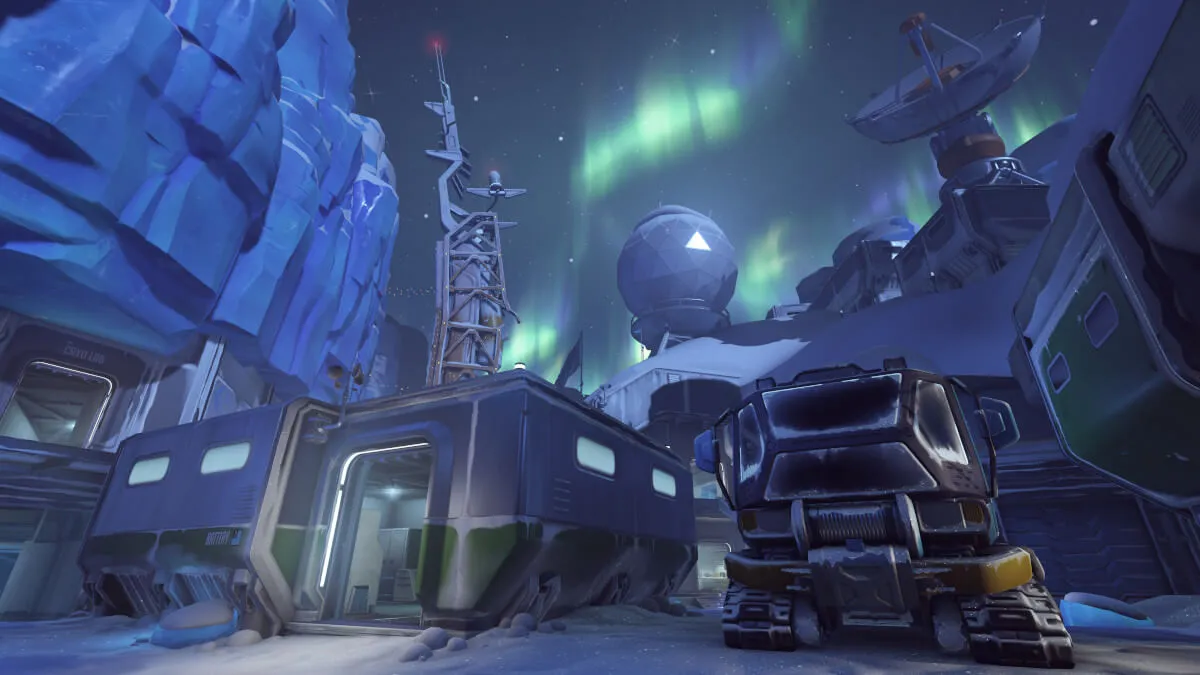
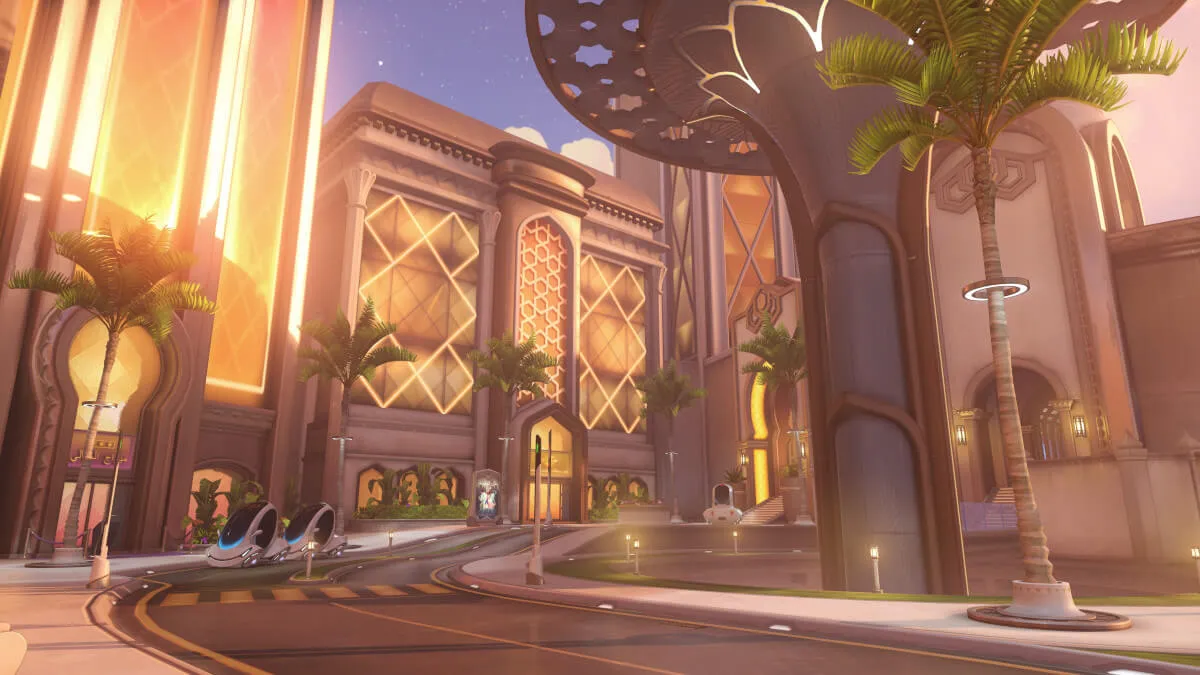
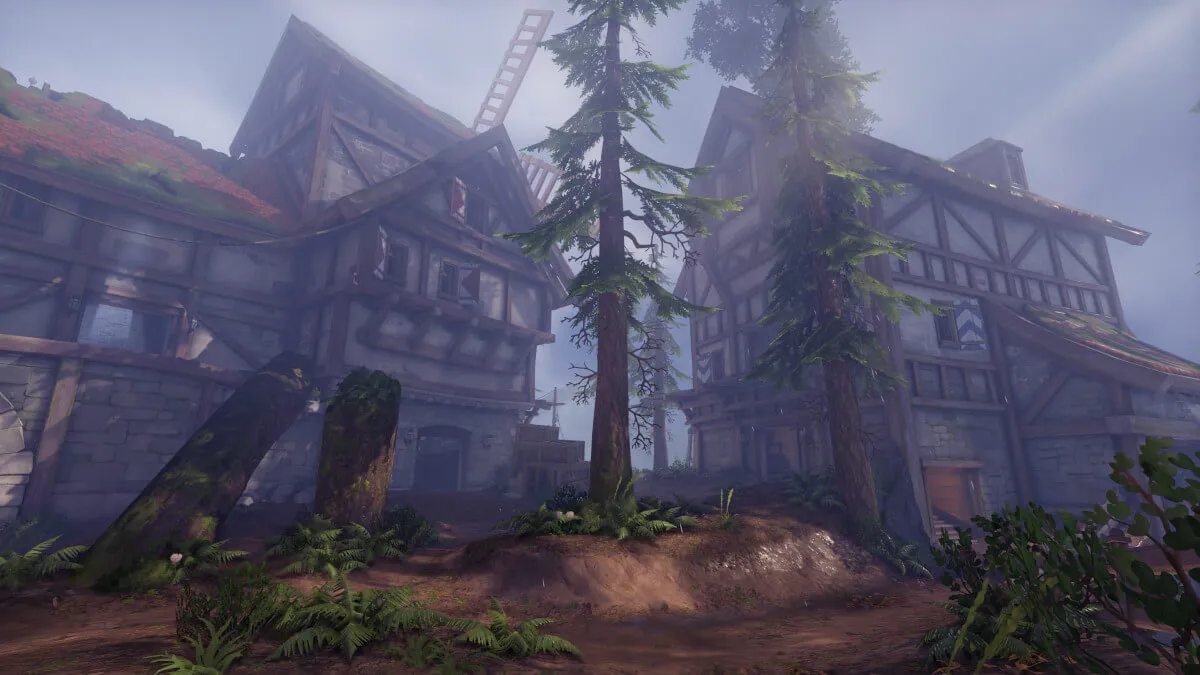
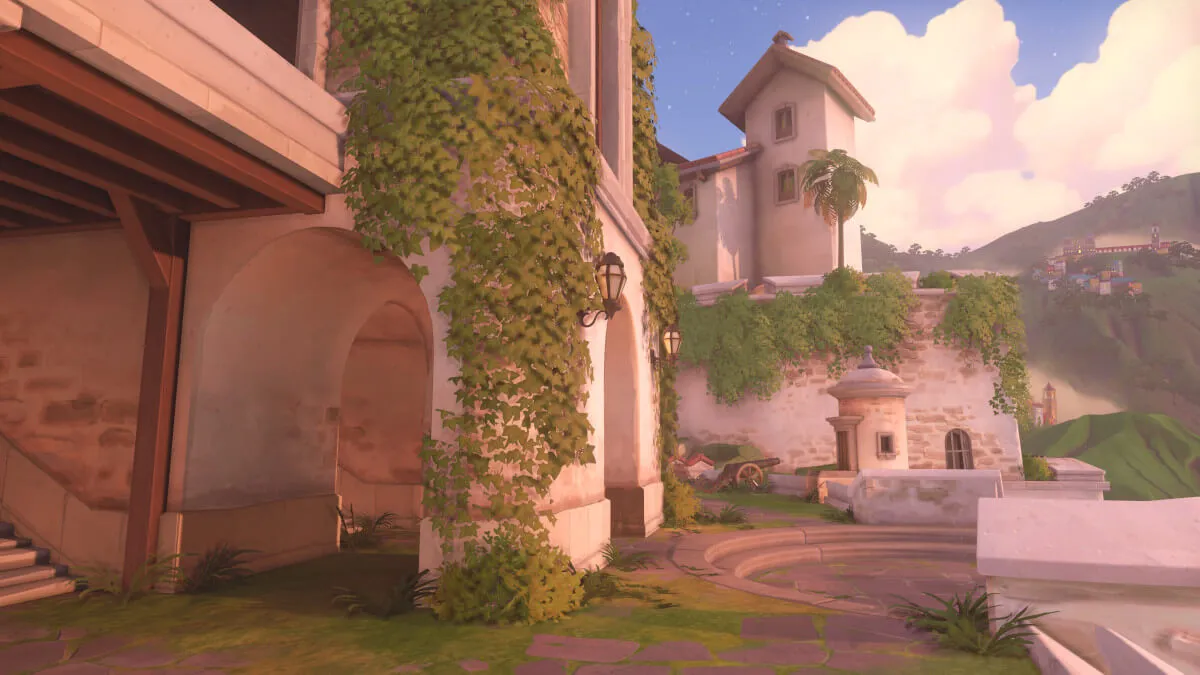
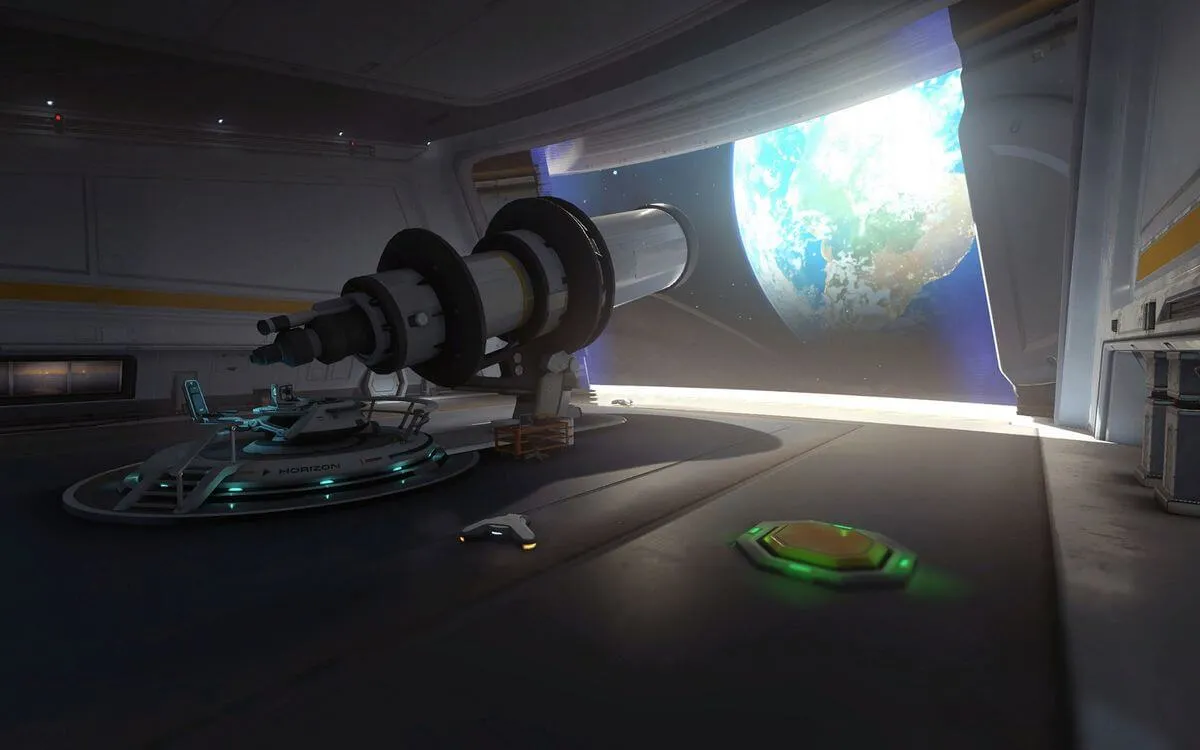
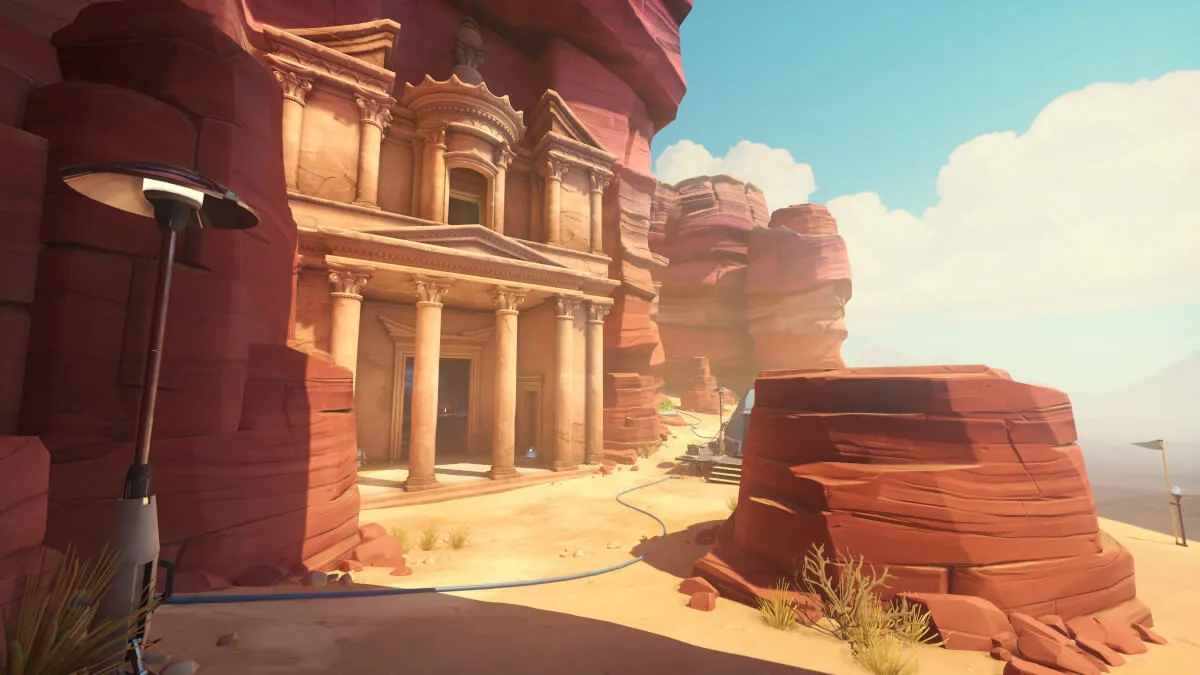
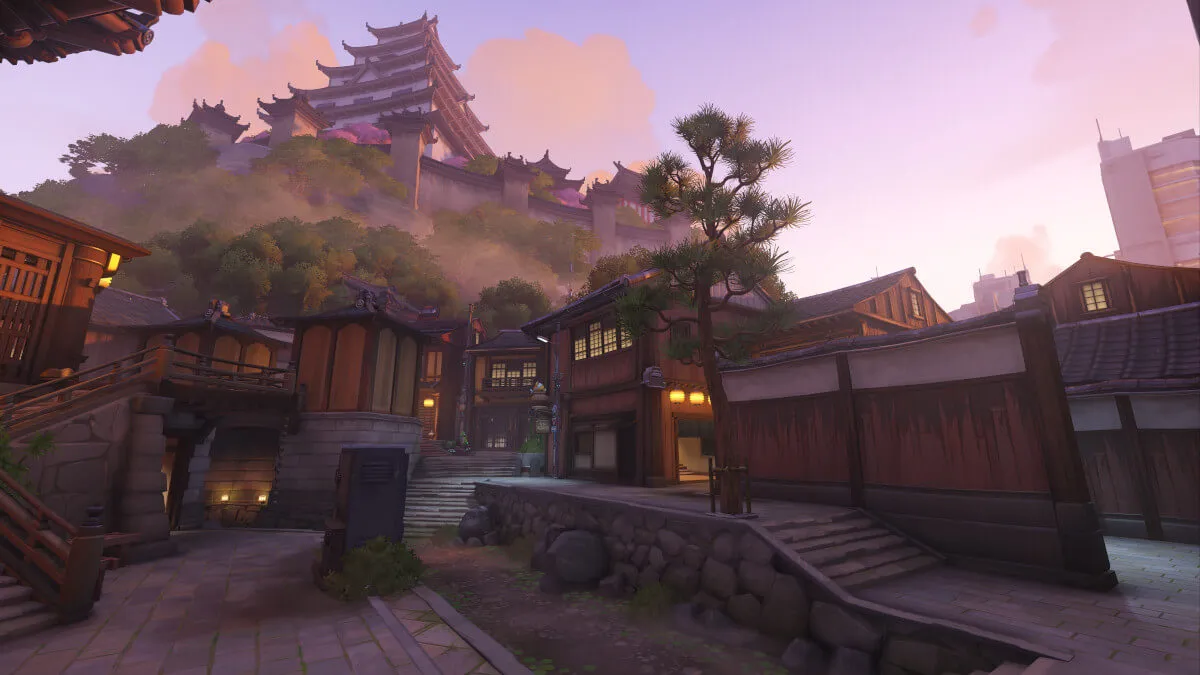
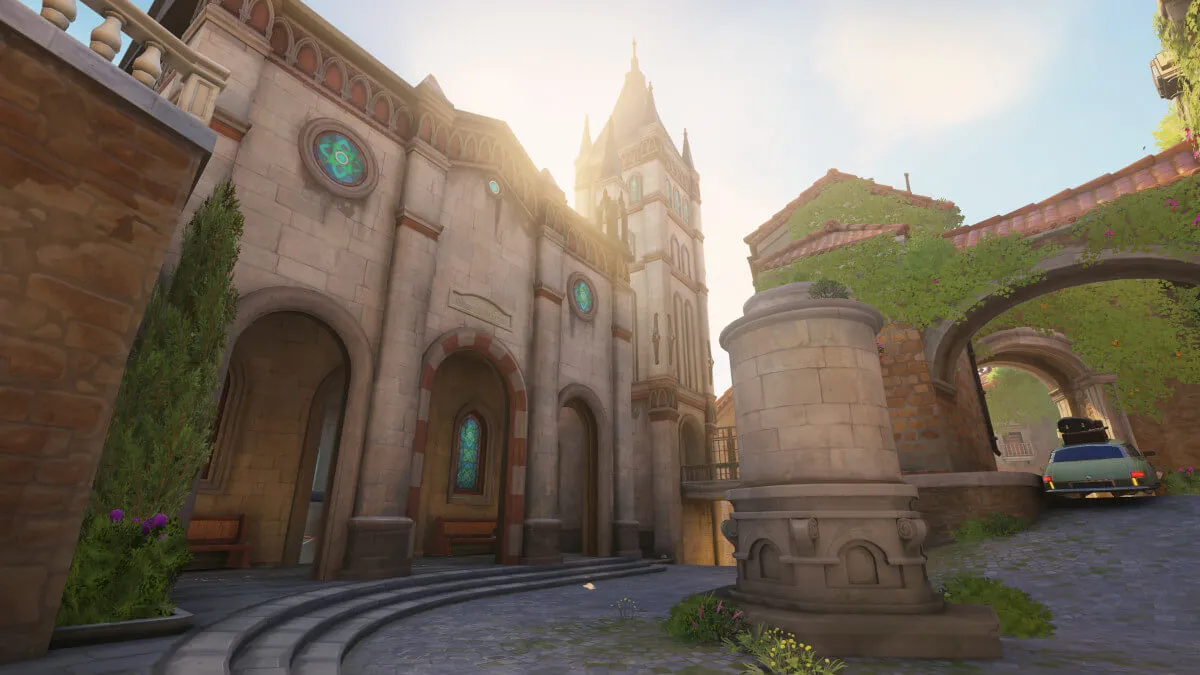
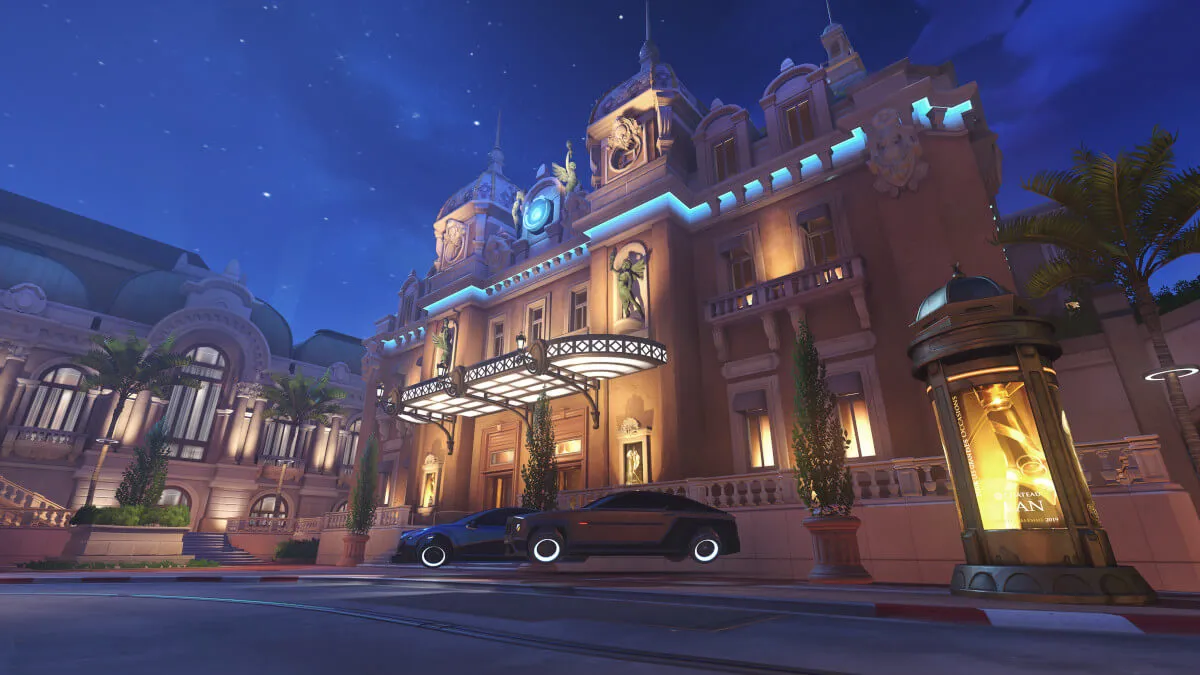
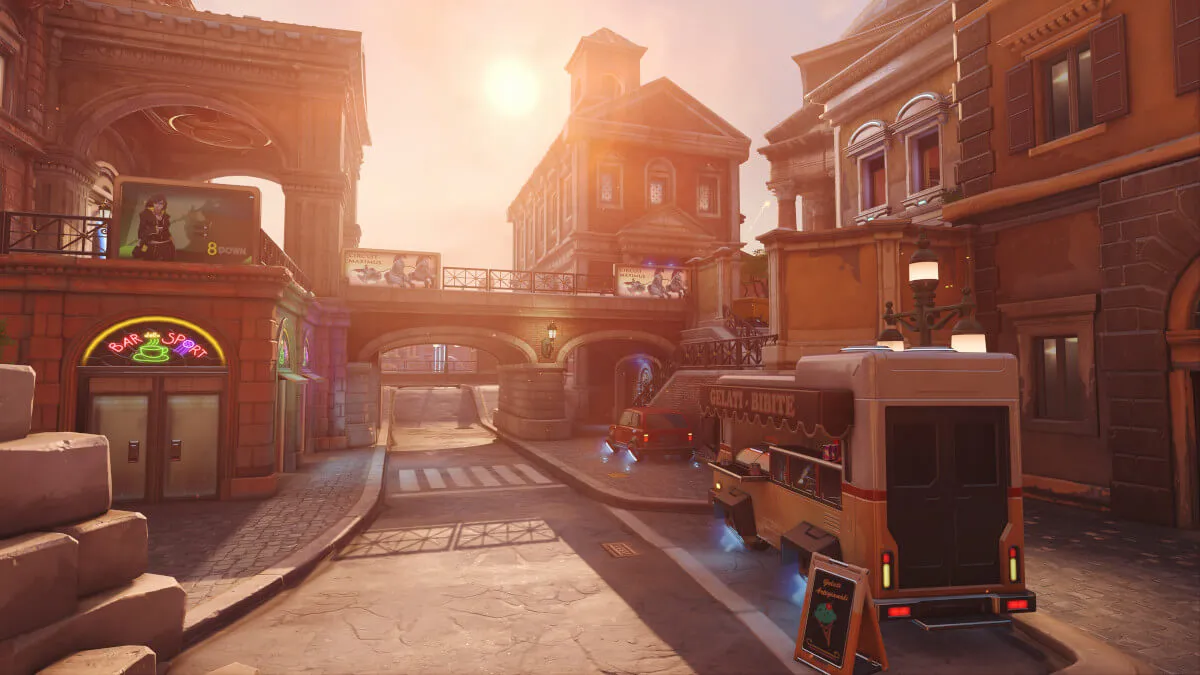
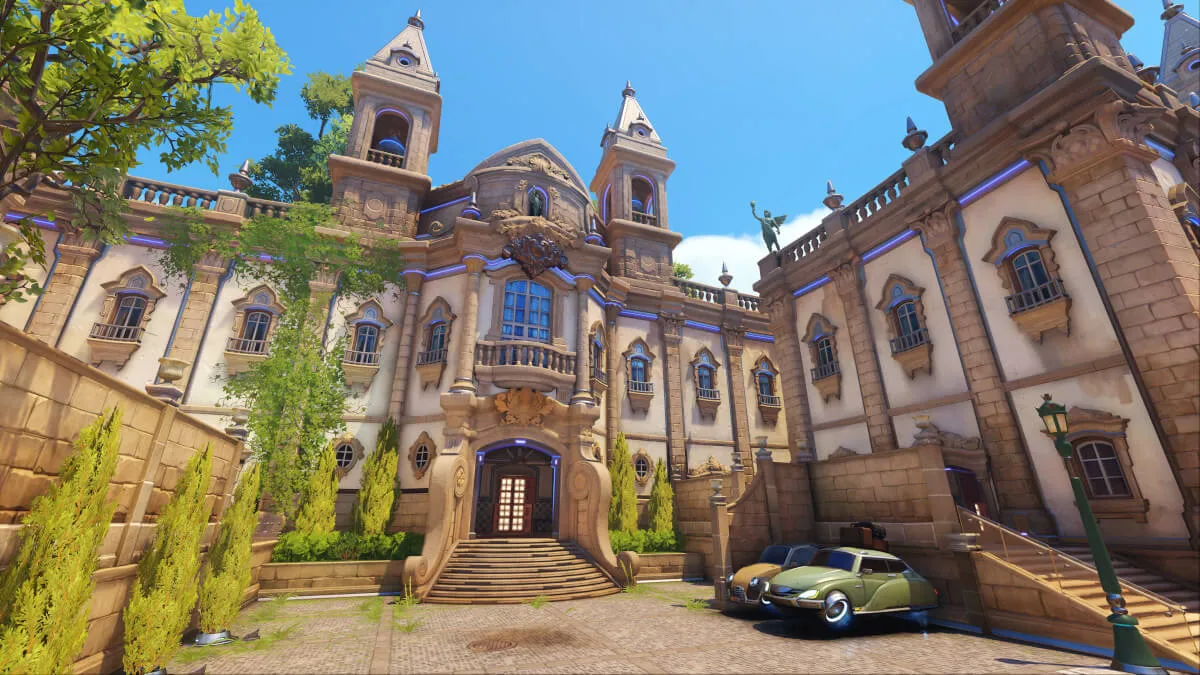
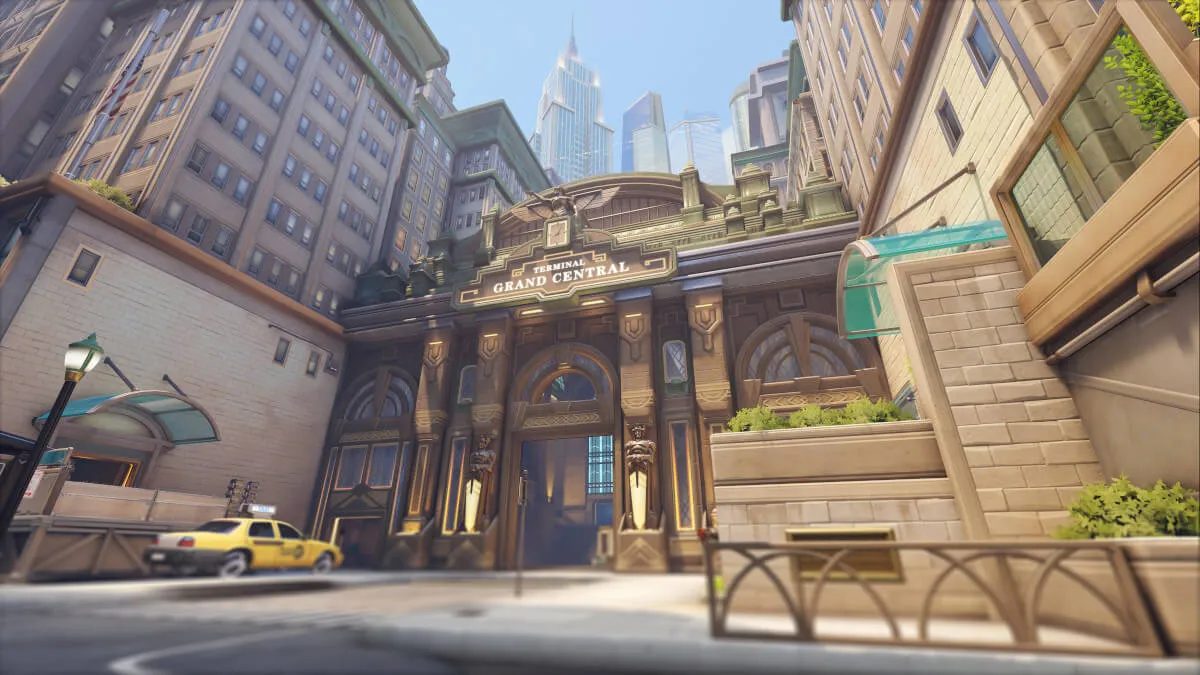
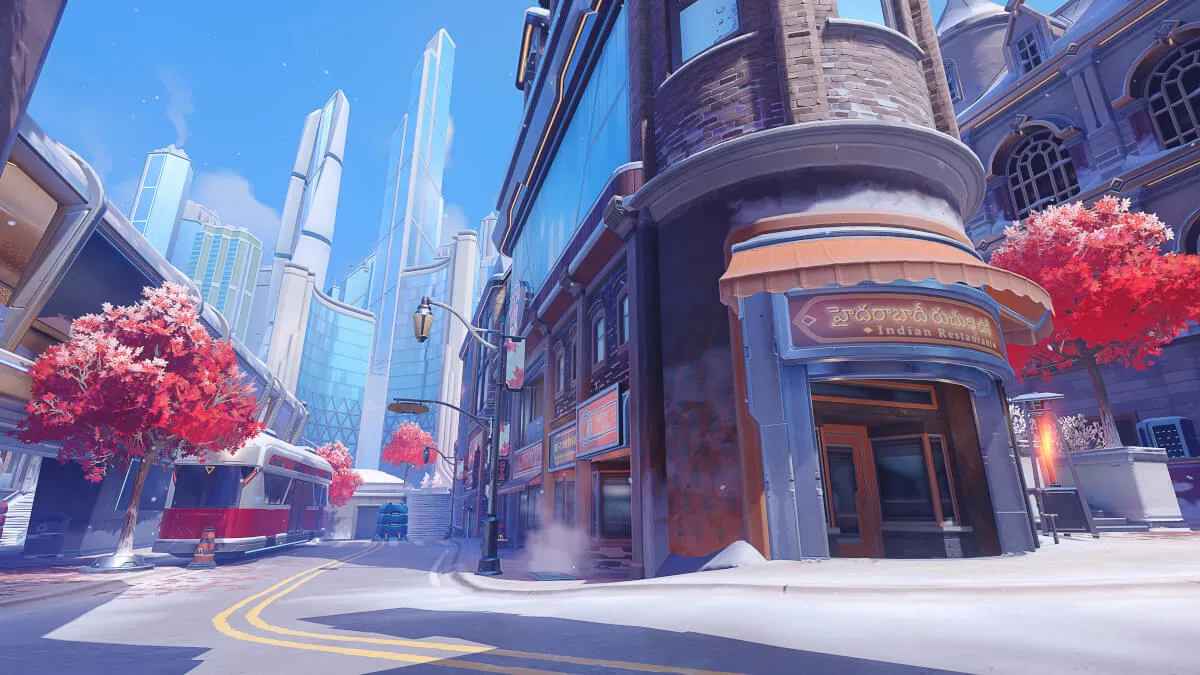
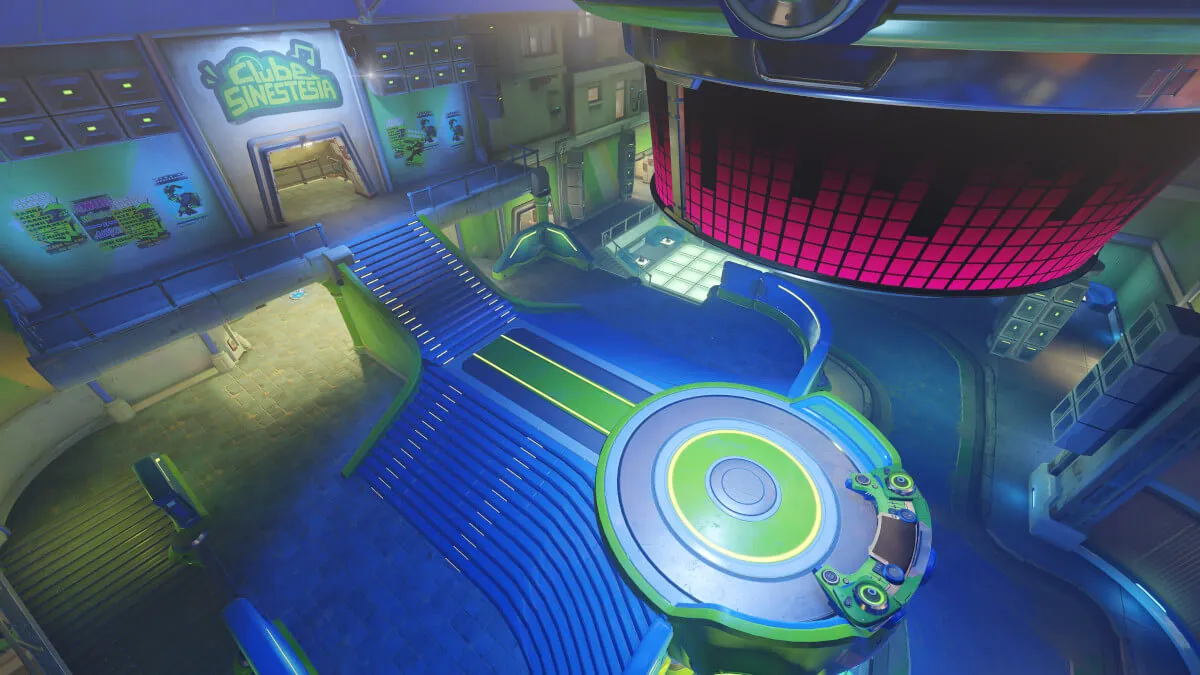
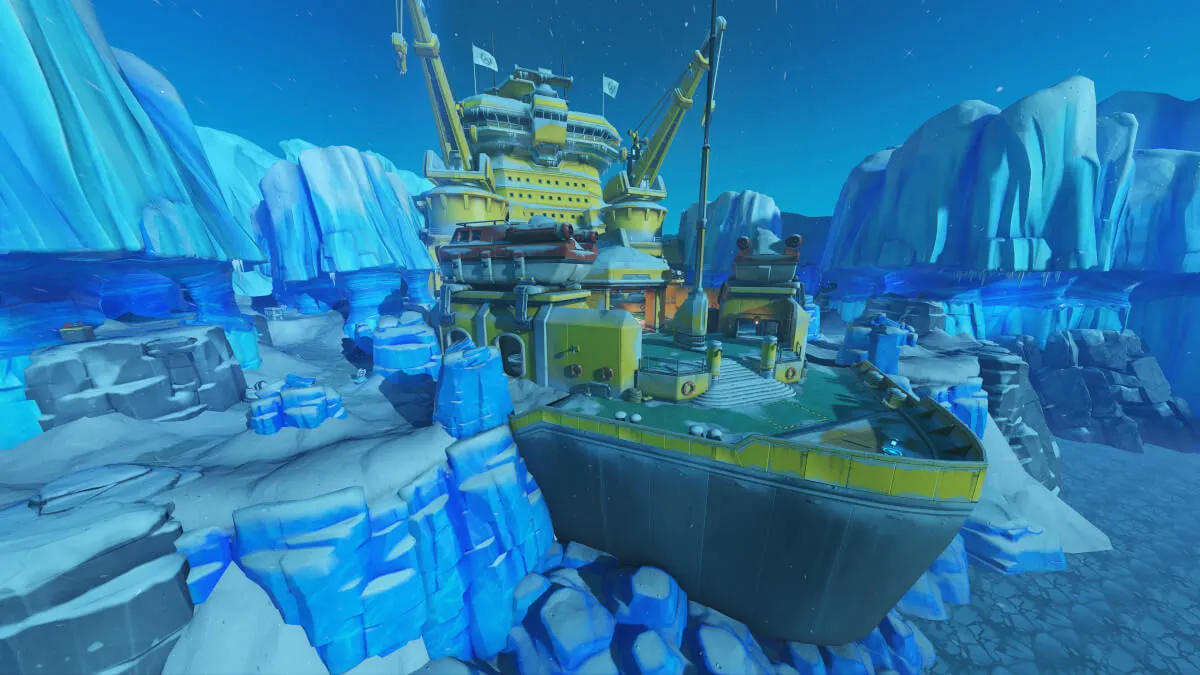
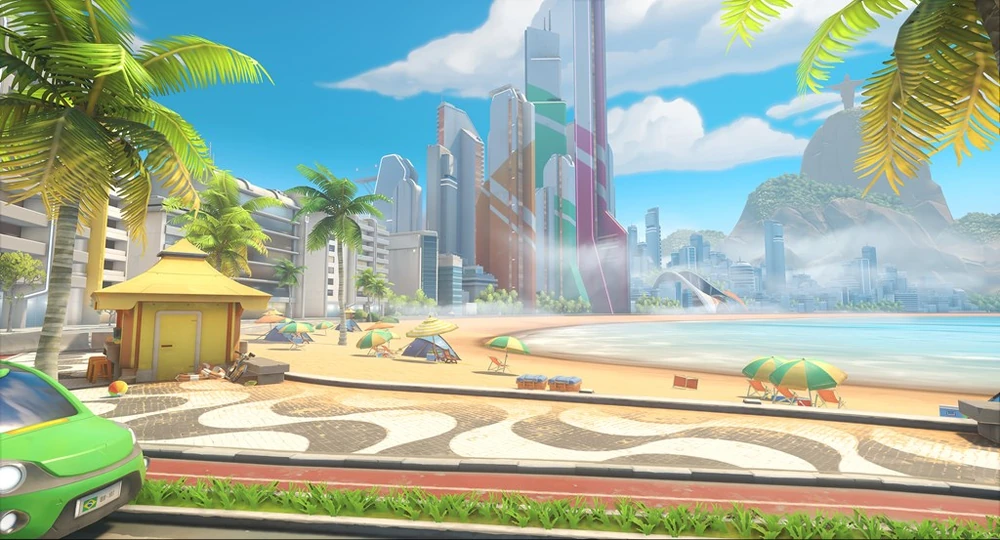
Overwatch launched on May 24, 2016 with 12 maps spanning Escort, Hybrid, Control, and Assault game modes. Iconic battlegrounds like King's Row, Dorado, Hanamura, and Lijiang Tower defined the competitive meta and remain fan favorites to this day. That same summer, the first Lúcioball arena — Estádio das Rãs in Rio de Janeiro — debuted for the inaugural Summer Games event on August 2, 2016, followed by Ecopoint: Antarctica in November.
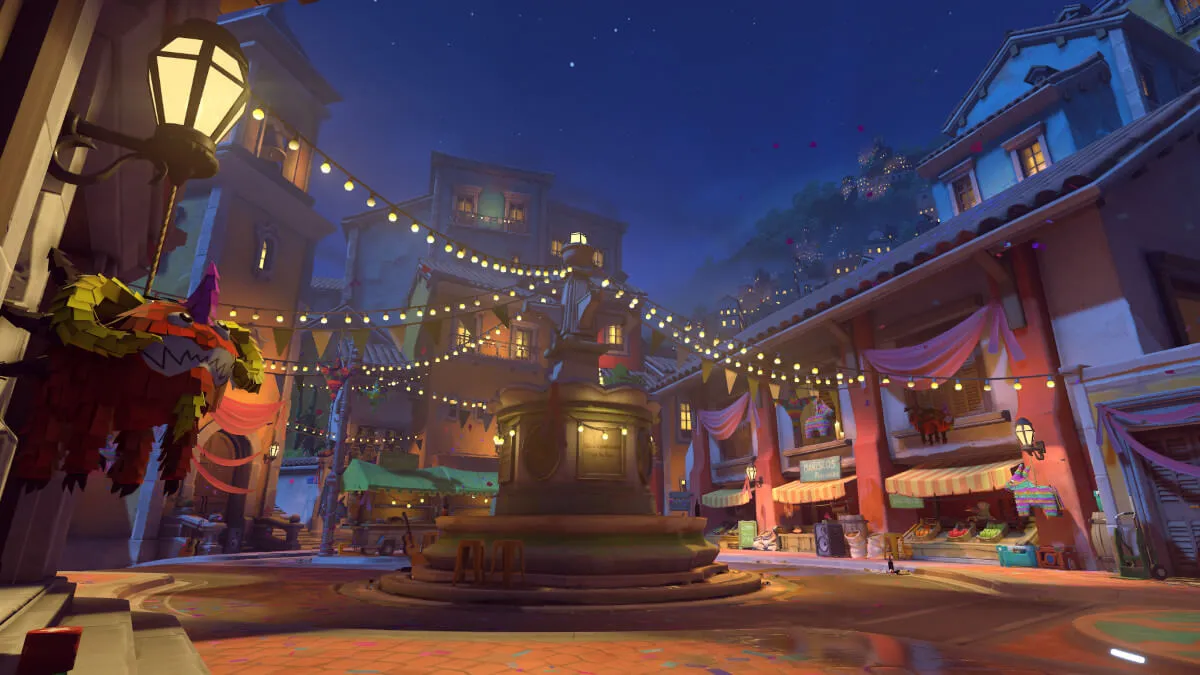
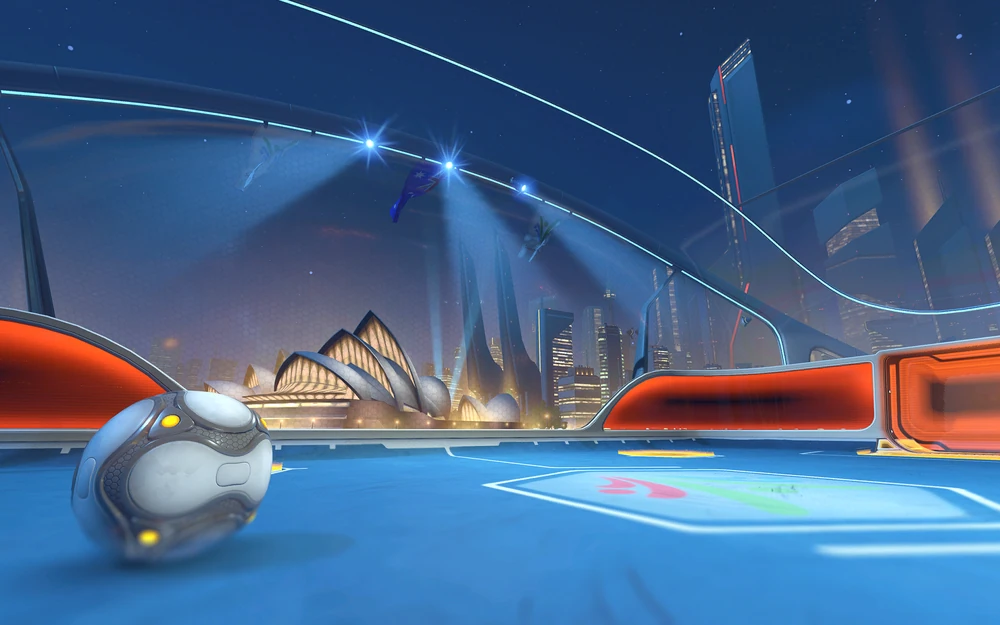
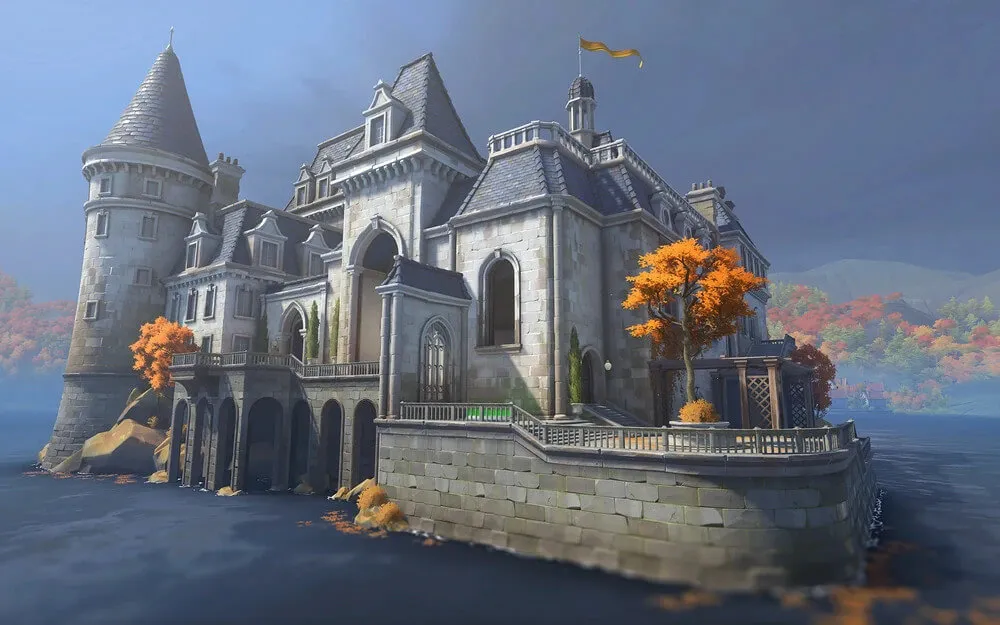
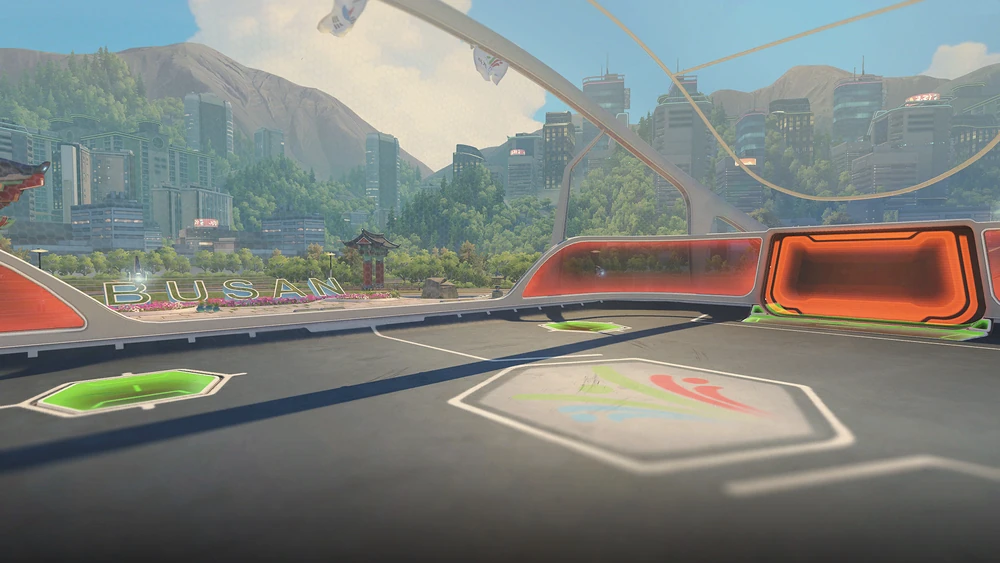
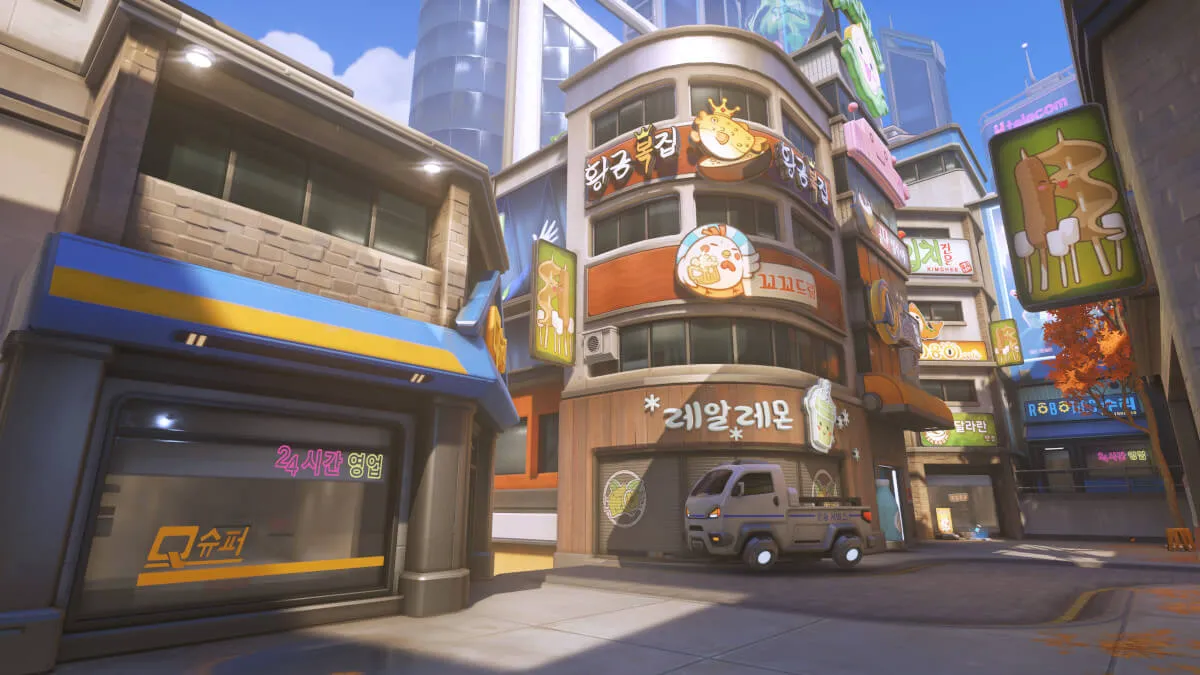
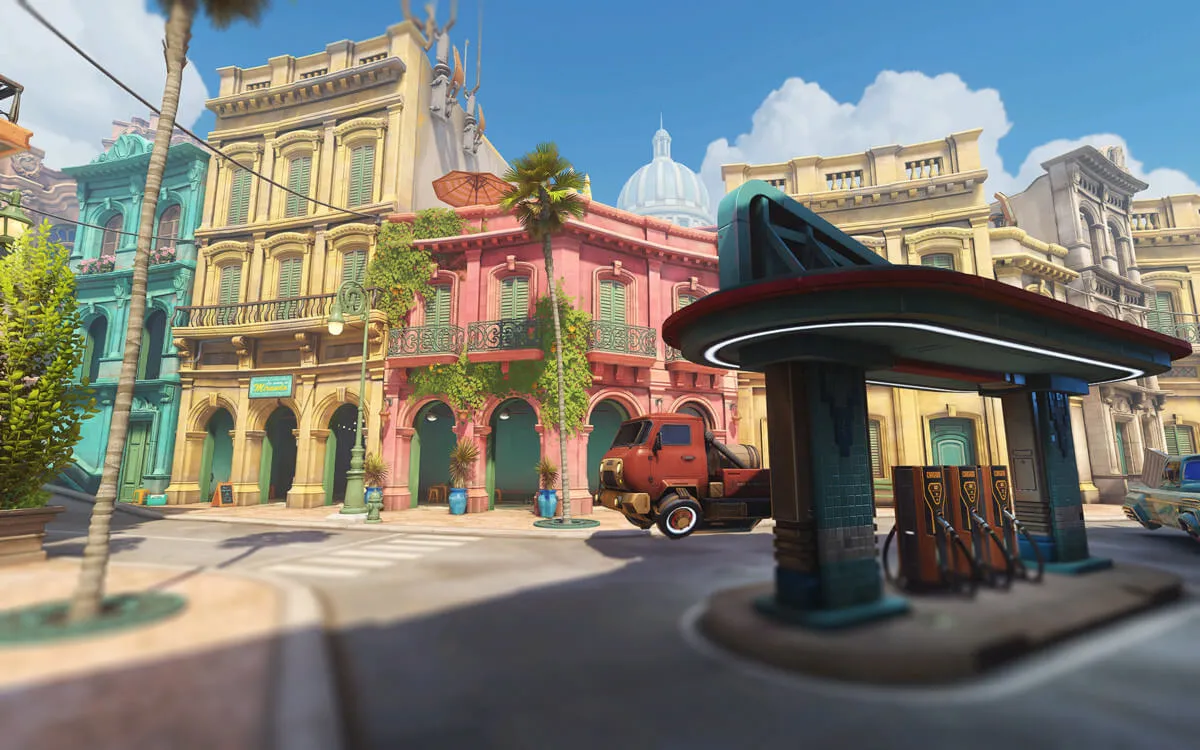
Throughout Overwatch 1 (2016–2021), Blizzard expanded the roster with globally diverse environments: Sydney Harbour Arena (2017), Château Guillard for Free-For-All deathmatch (2017), Busan and its Lúcioball stadium (2018), Rialto and Havana via Archives events, and later Workshop utility maps that arrived in 2020 to power the custom game creator community. Maps like Kanezaka and Malavento rounded out 2021.
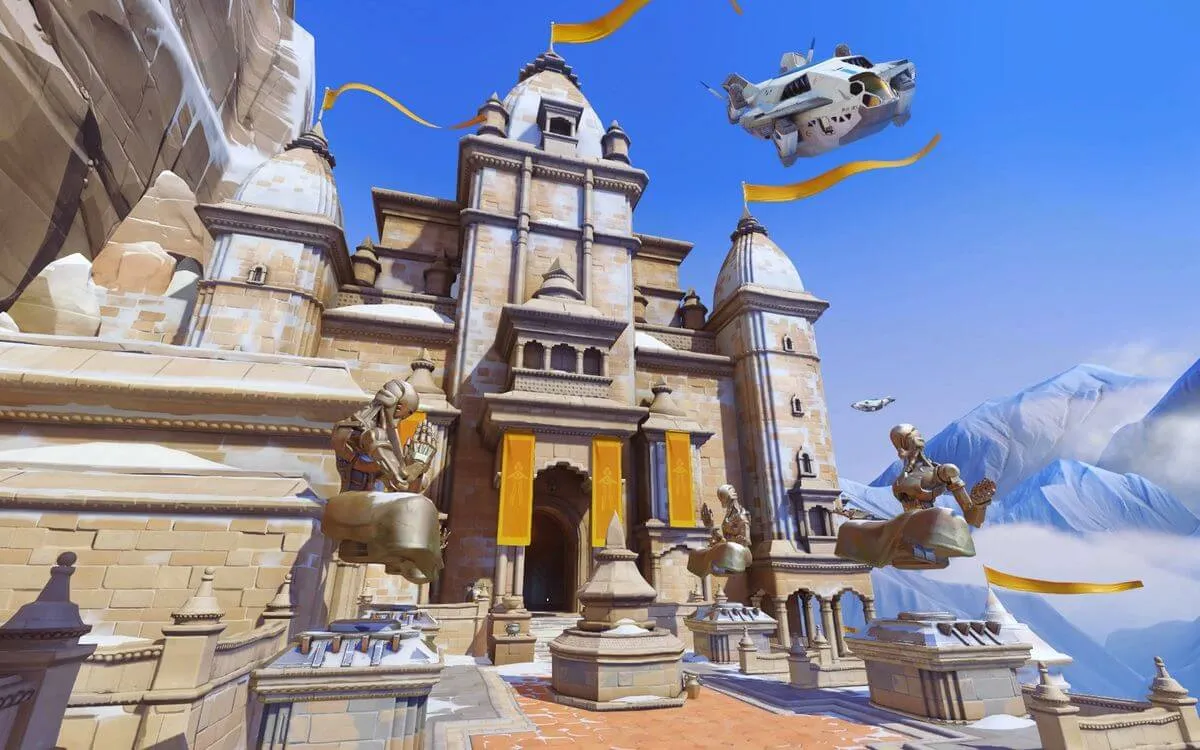
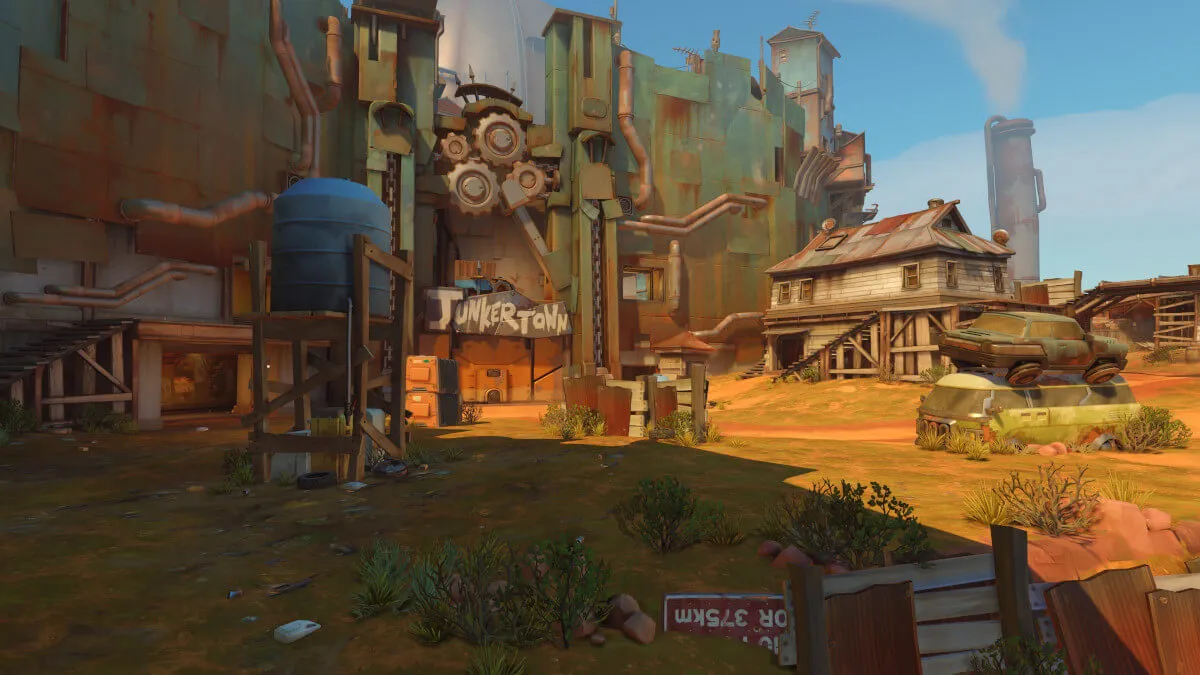
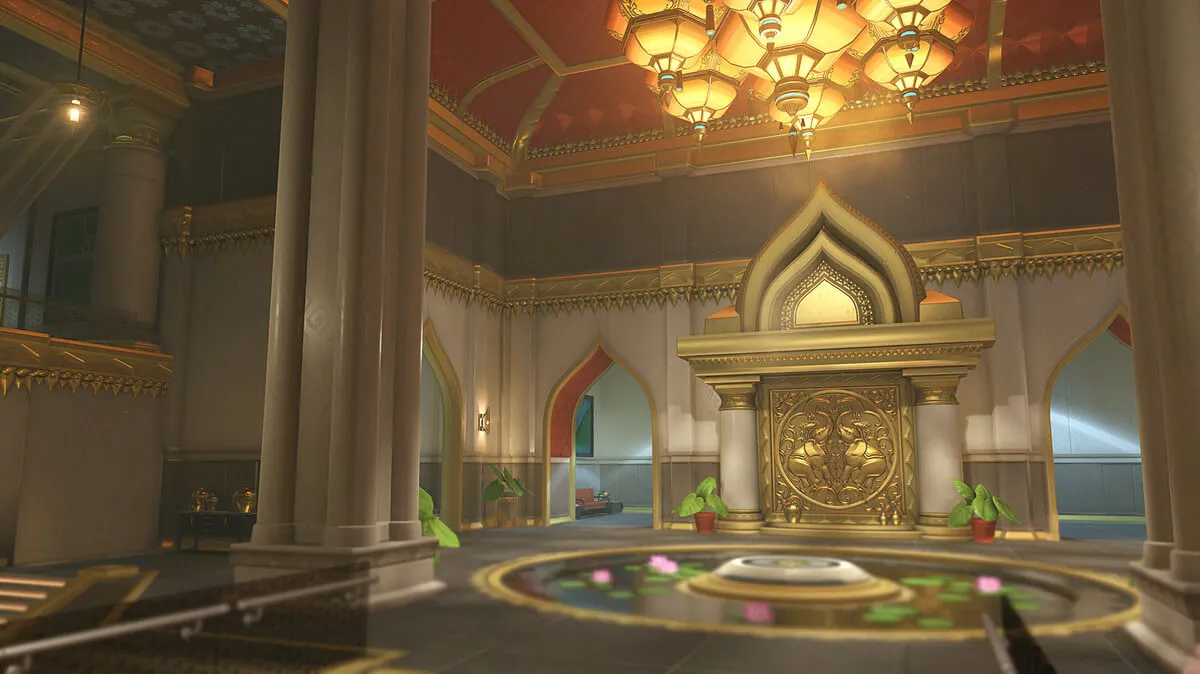
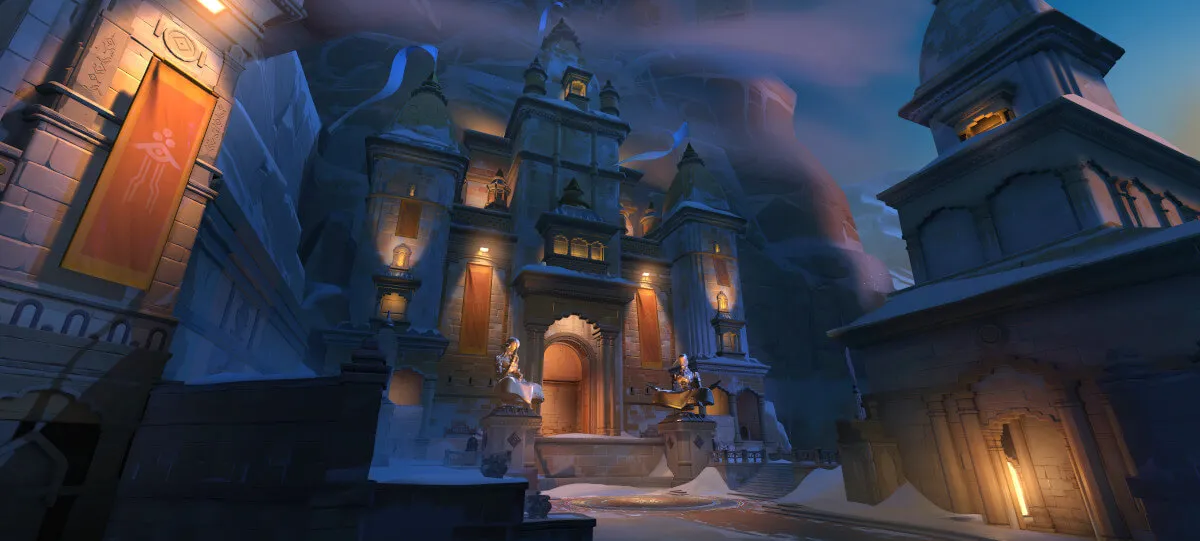
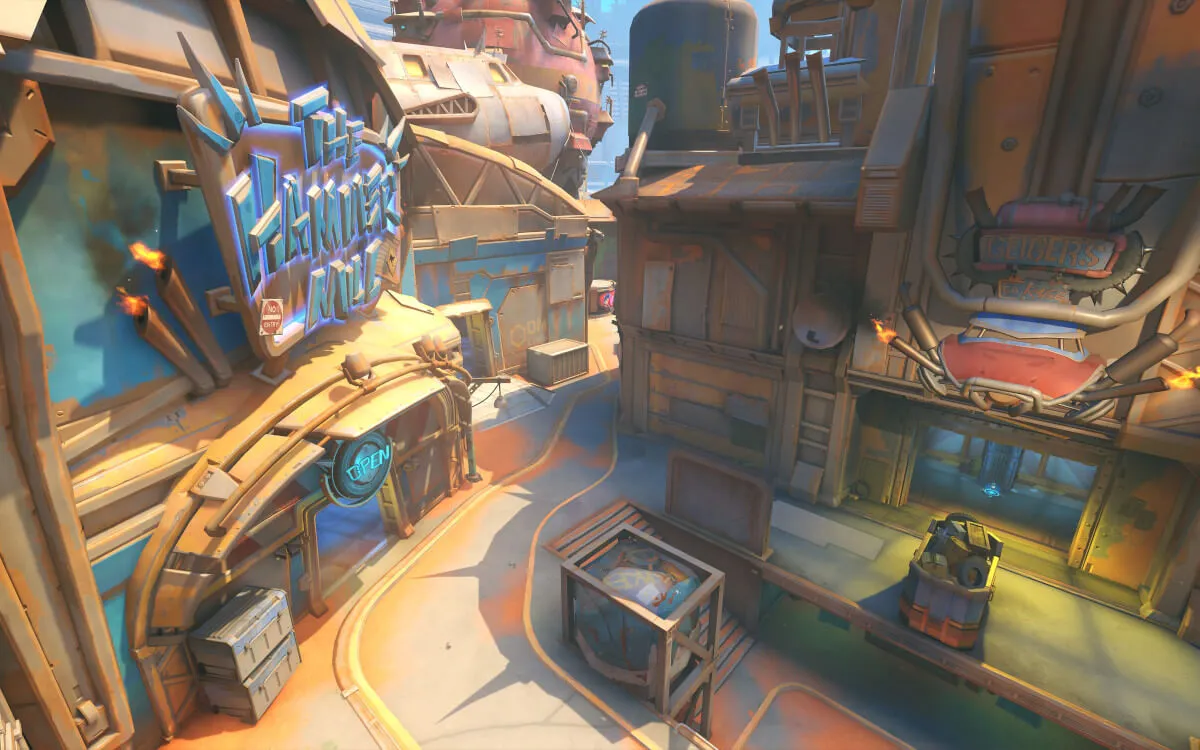
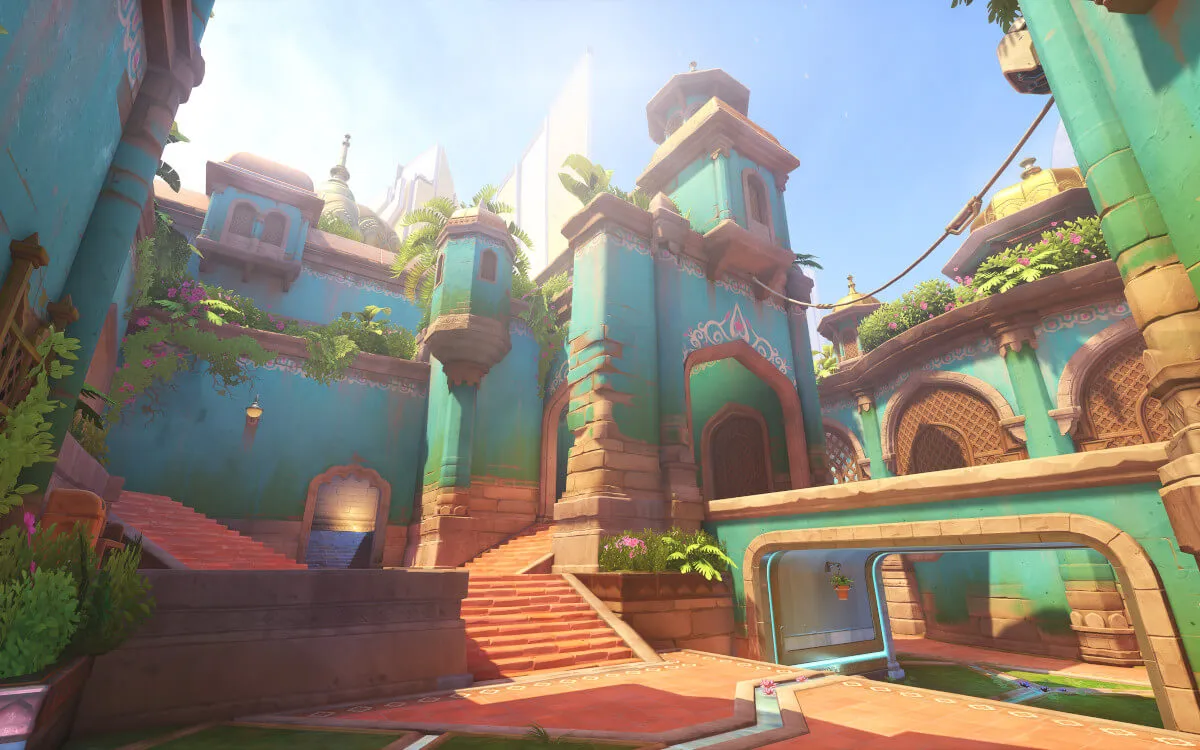
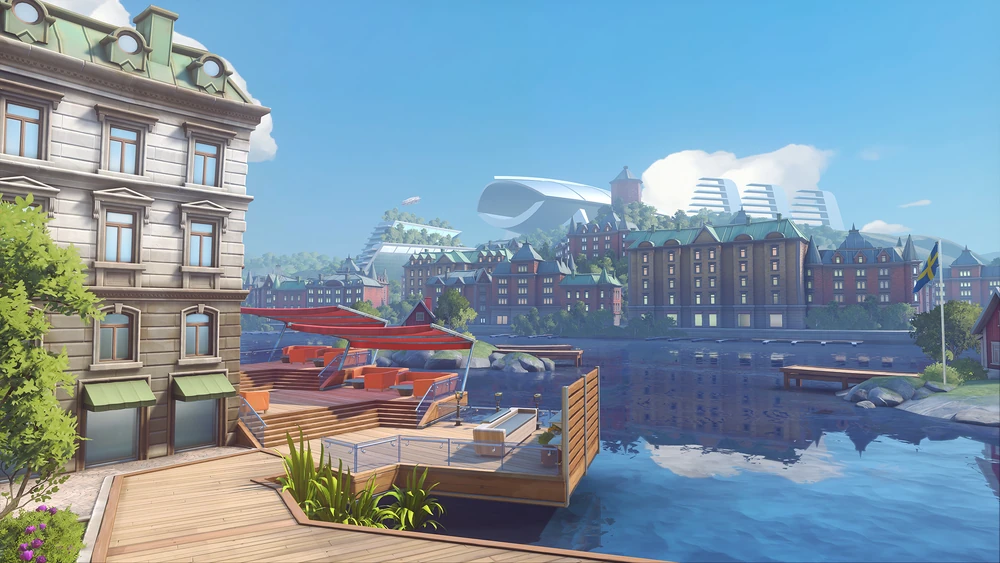
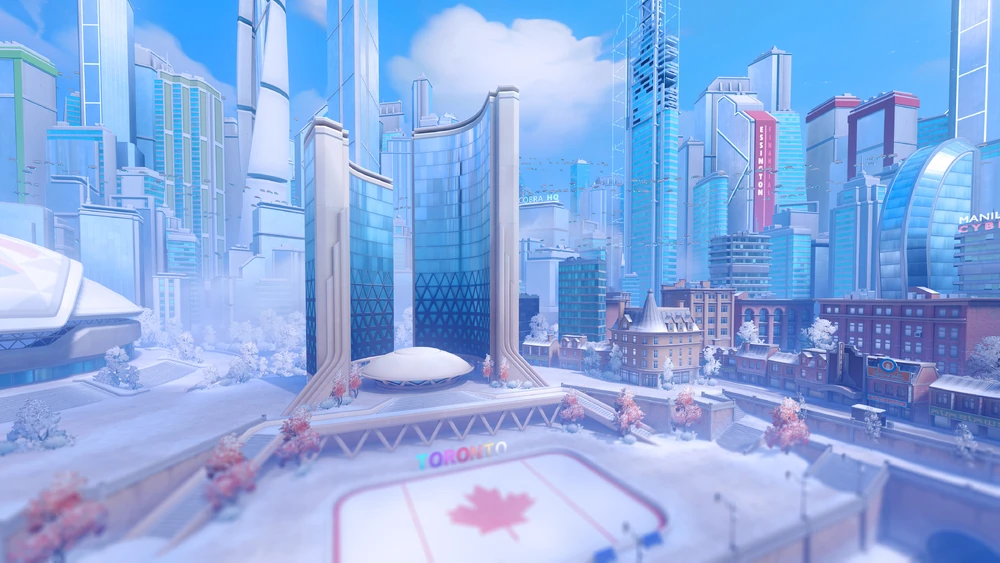
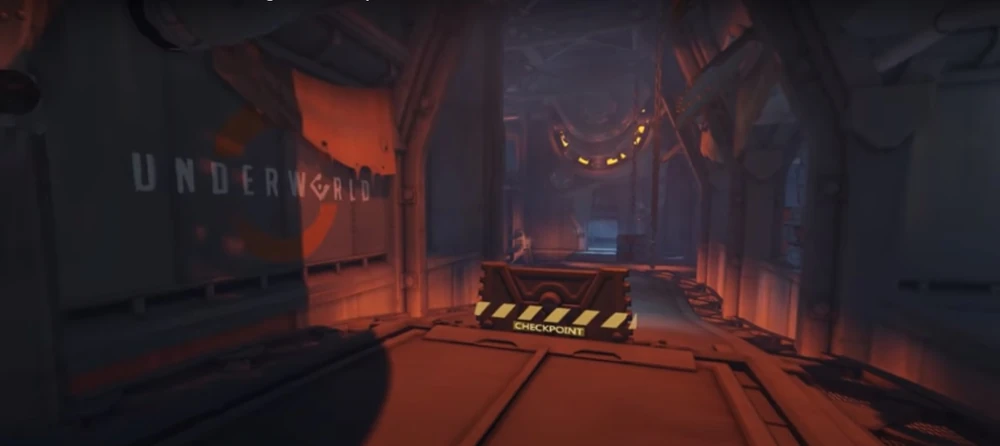
Overwatch 2 launched free-to-play on October 4, 2022 with six new maps, three entirely new game modes (Push, Flashpoint, Clash), and a shift to 5v5. The Assault (2CP) mode was retired, removing maps like Hanamura and Volskaya from the standard pool. New seasons accelerated releases: Shambali Monastery (Season 2), Antarctic Peninsula (Season 3), New Junk City and Suravasa as the first Flashpoint maps (Season 6), and the Season 6 Invasion update, which brought paid PvE Story Missions set in Gothenburg, Toronto, and Rio de Janeiro, plus the free Underworld event mission beneath King's Row.
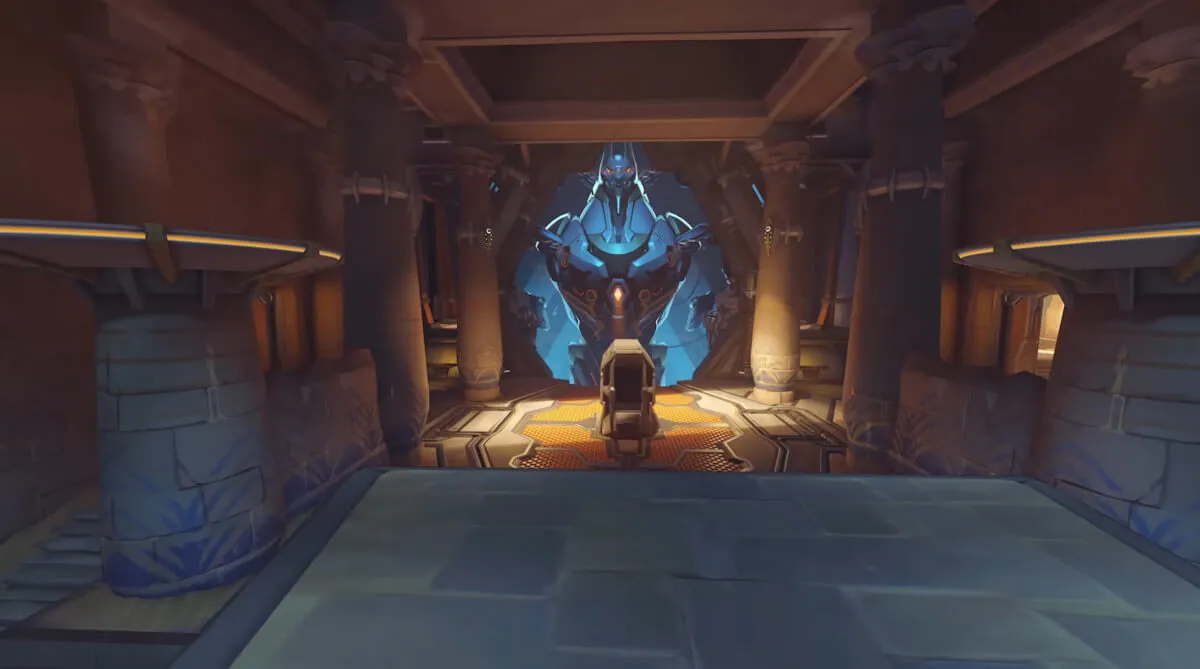
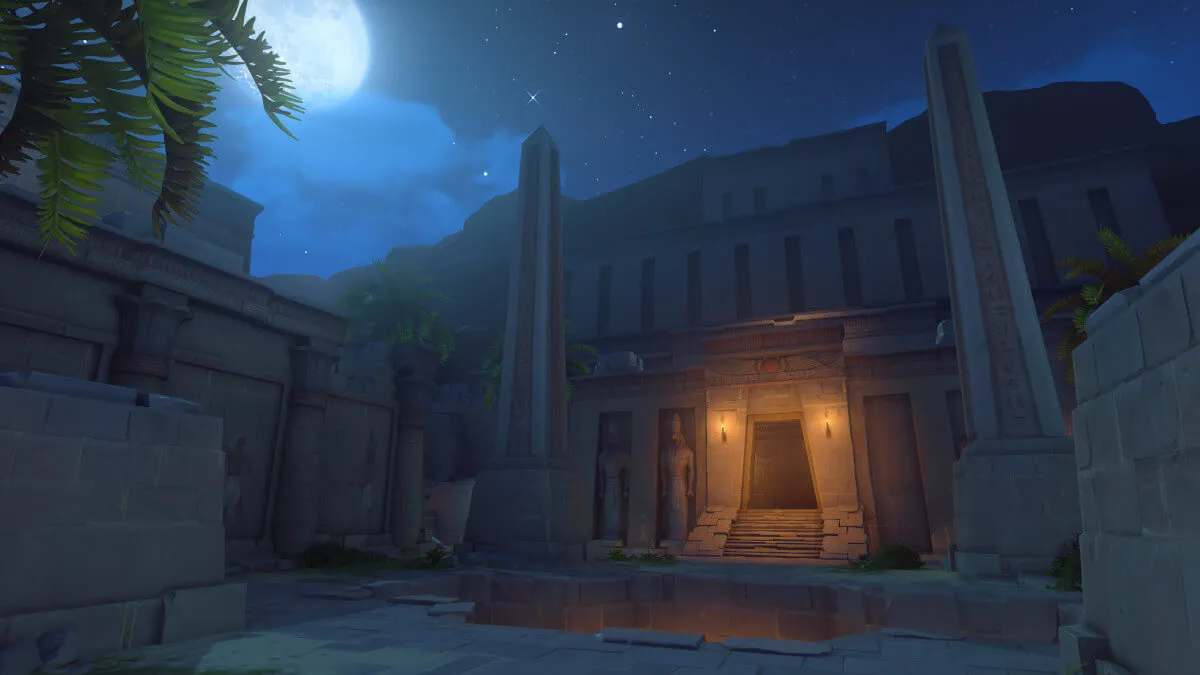
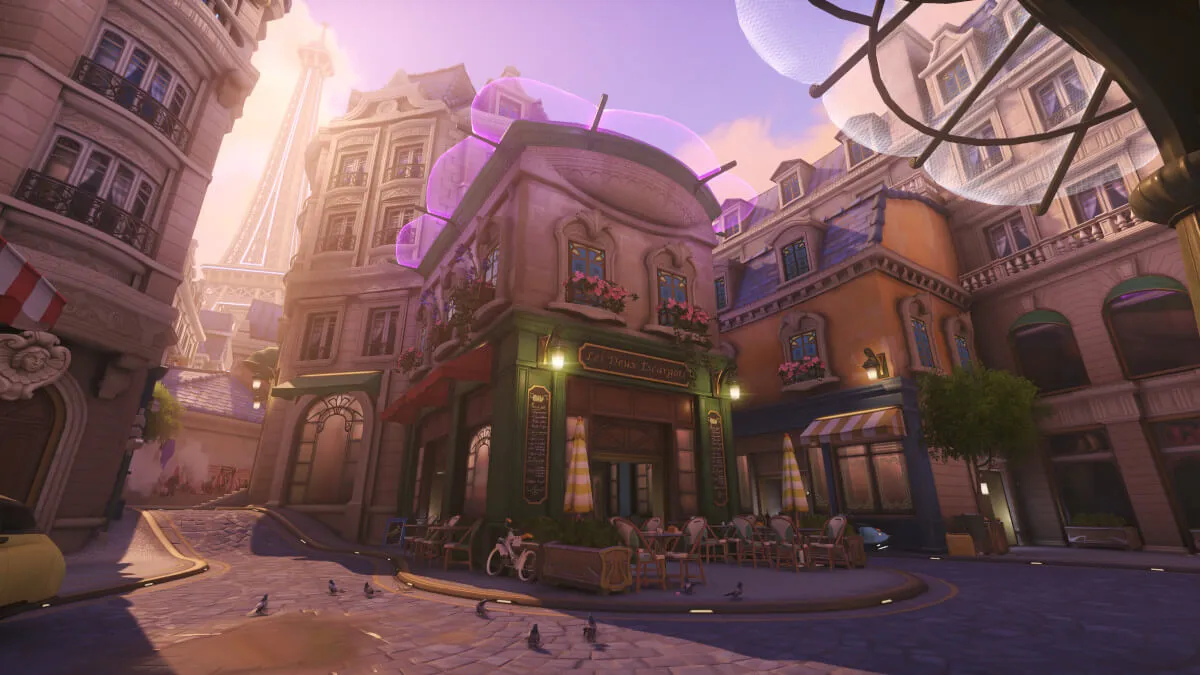
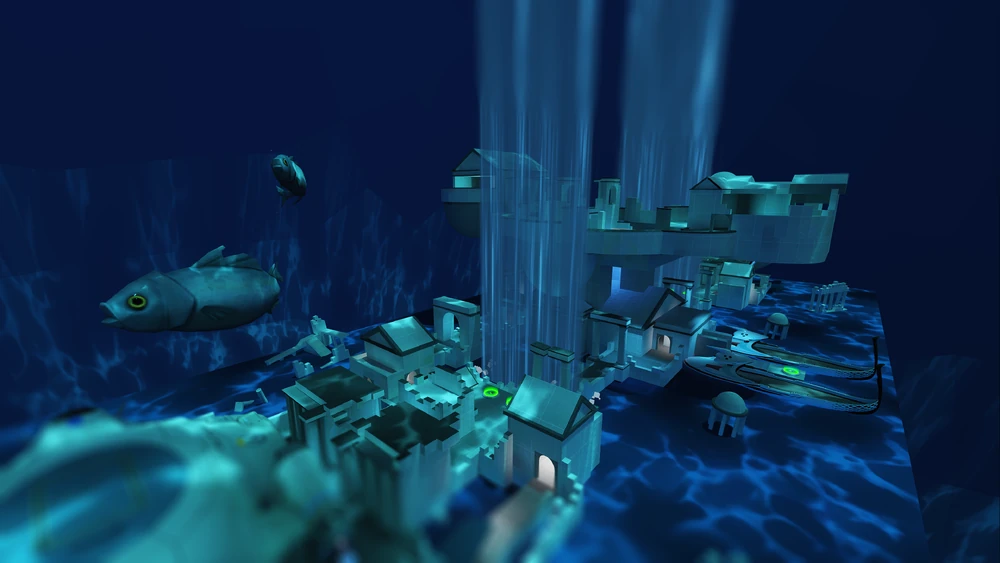
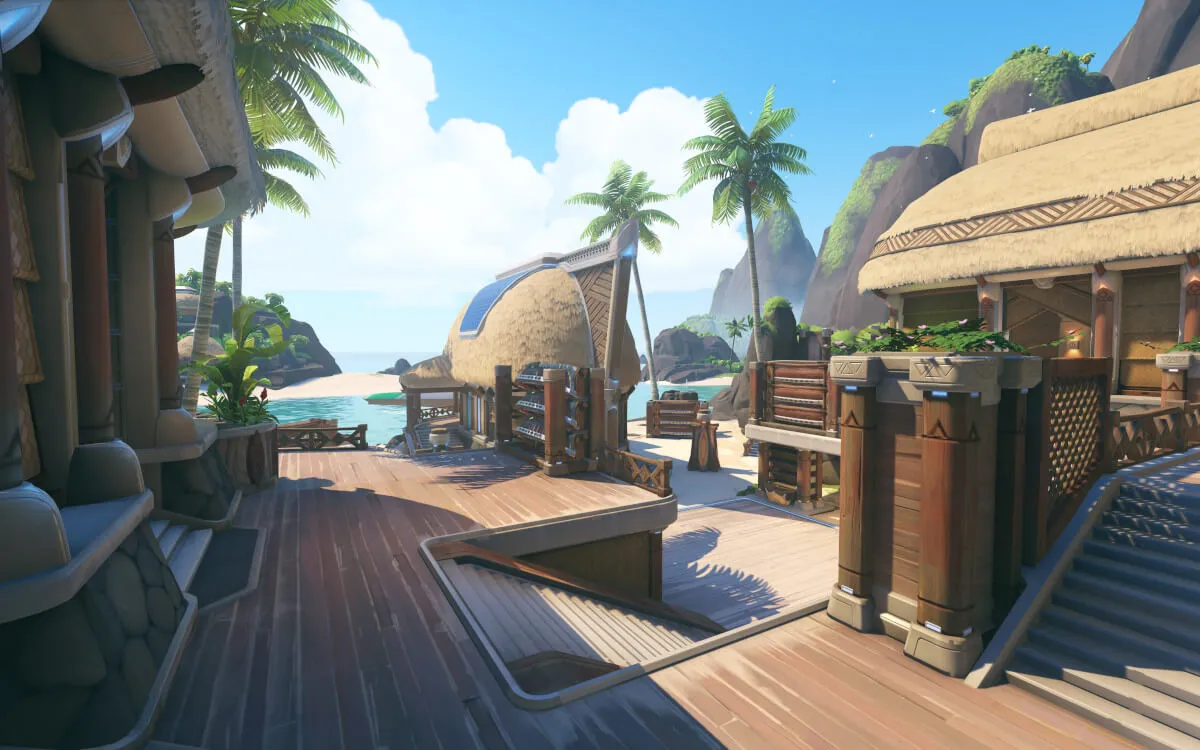
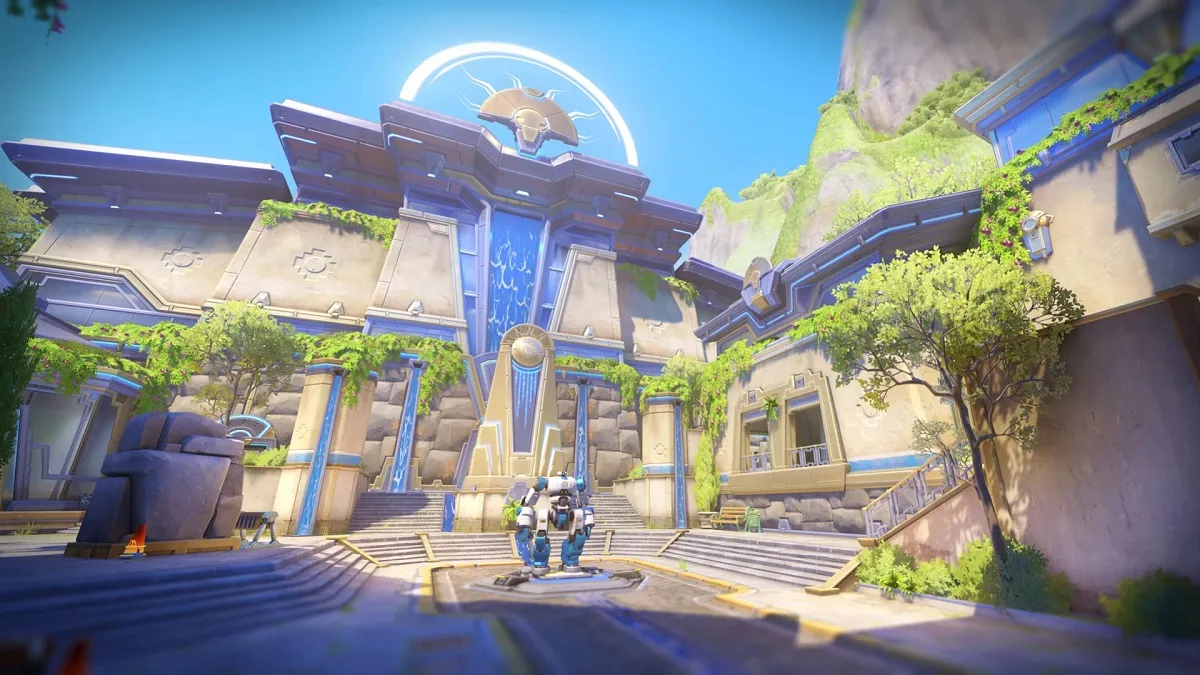
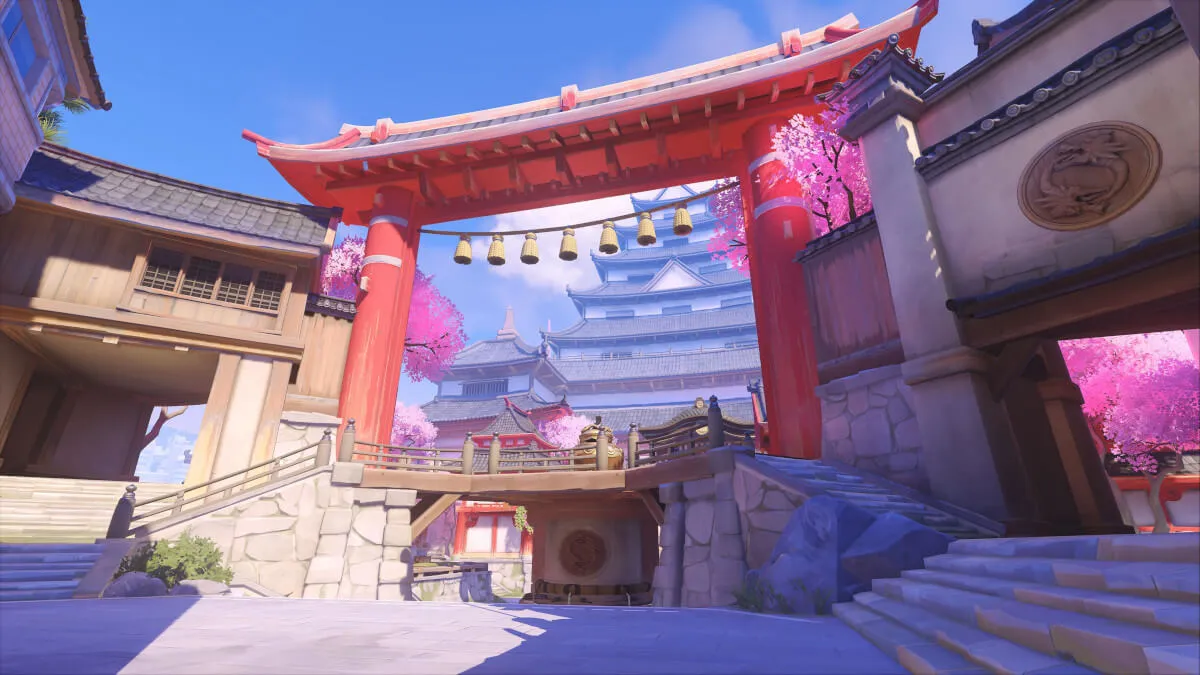
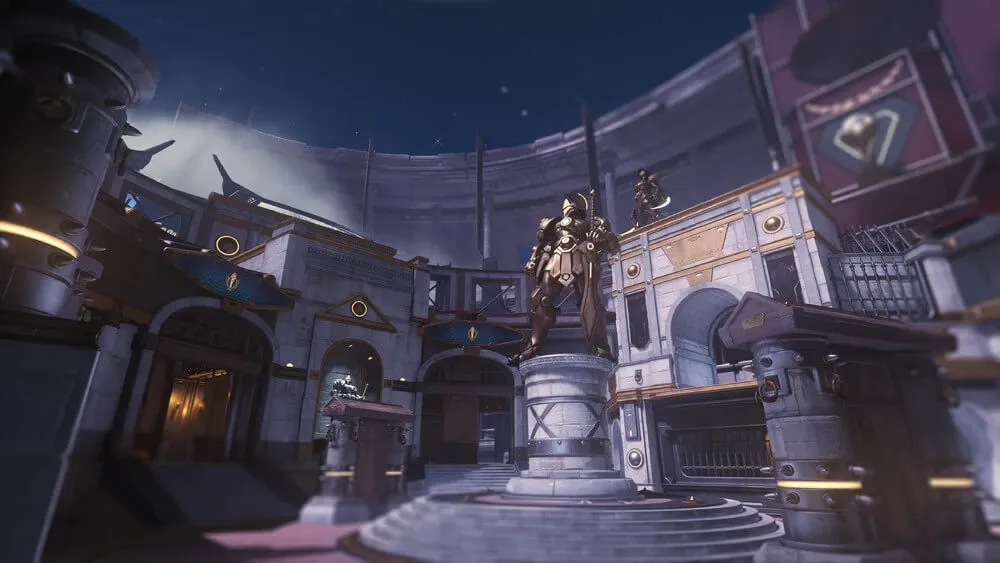
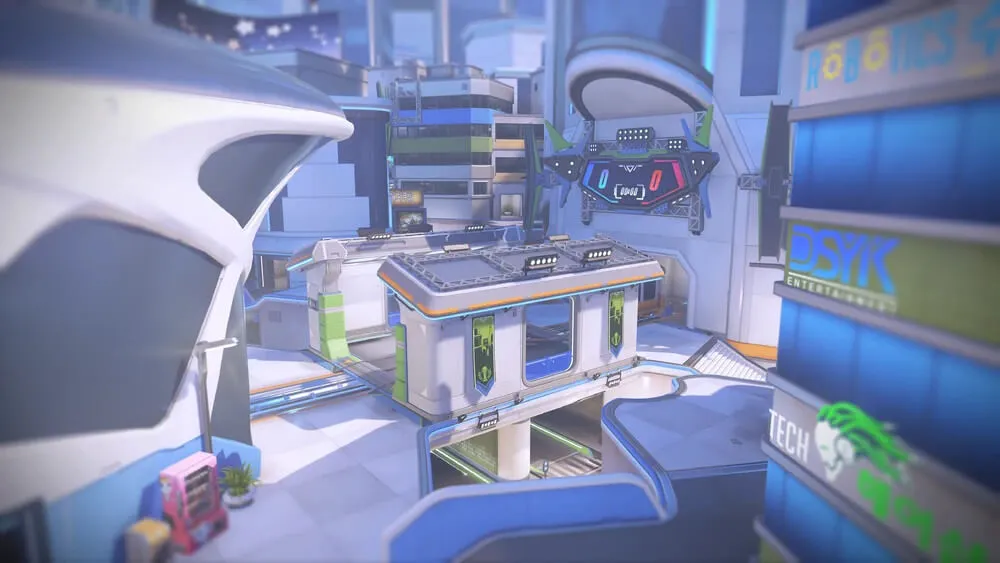
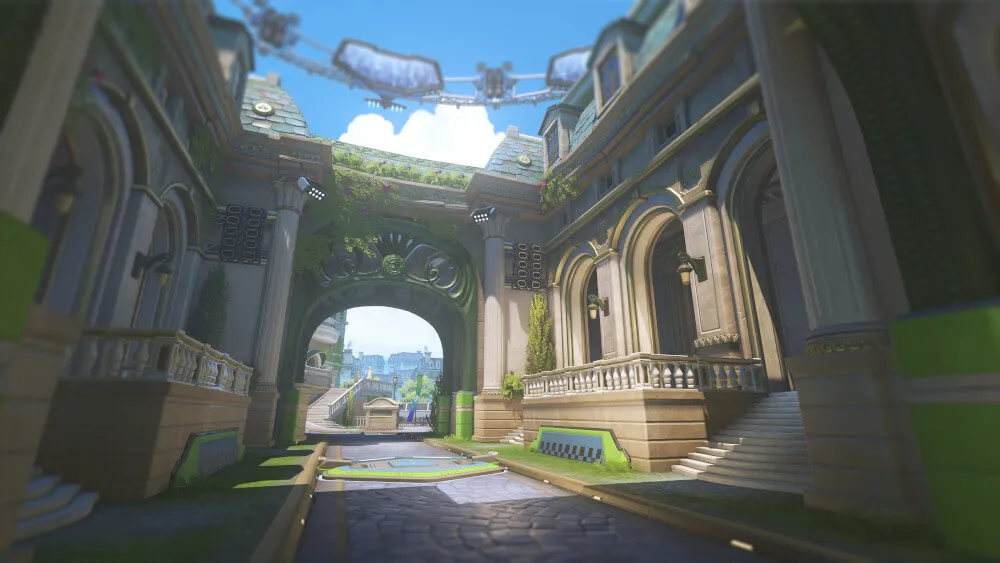
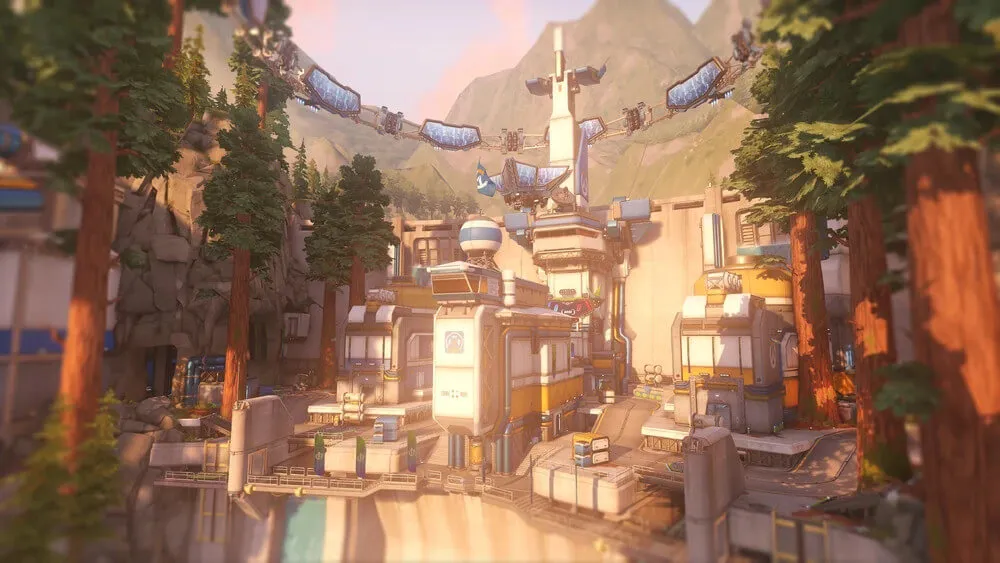
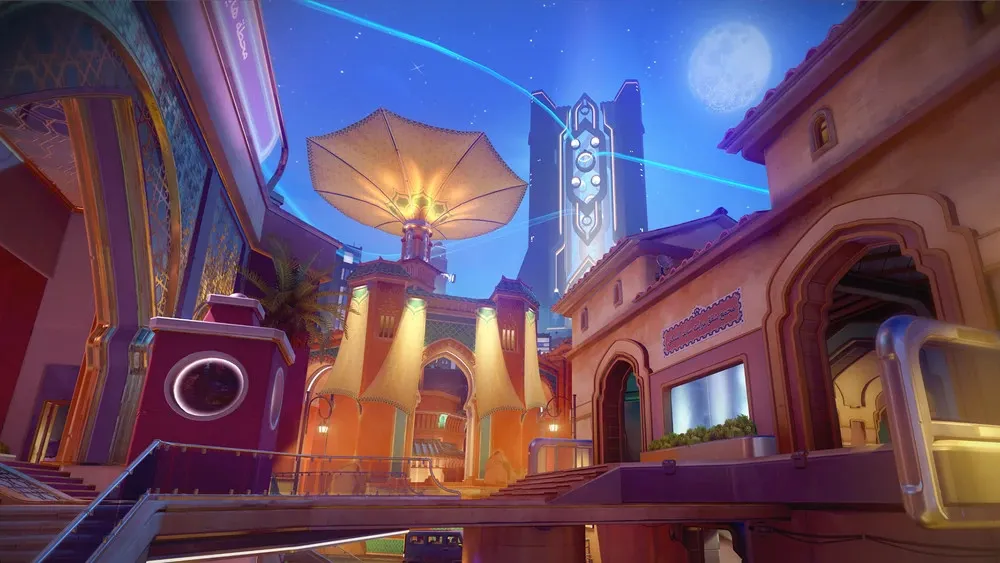
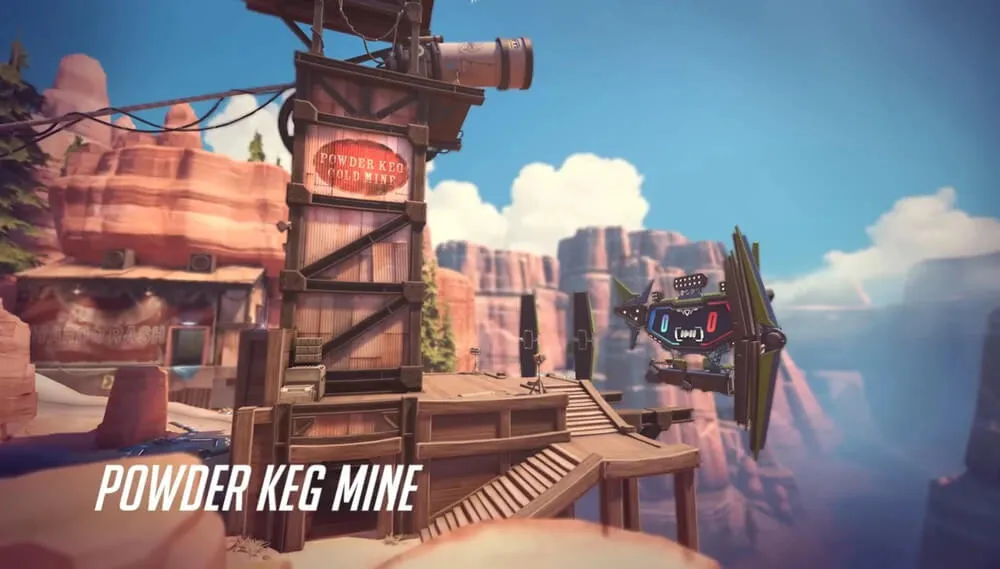
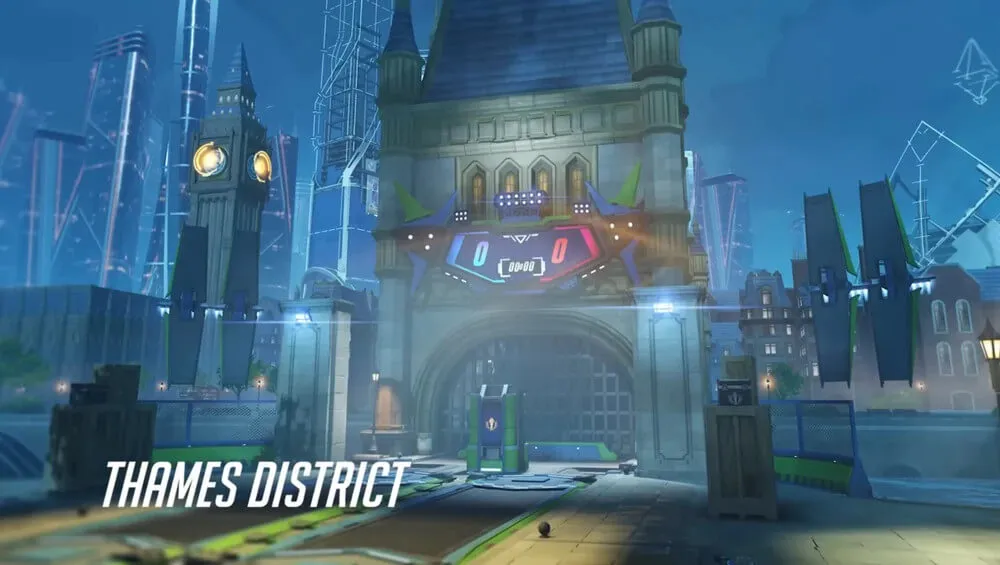
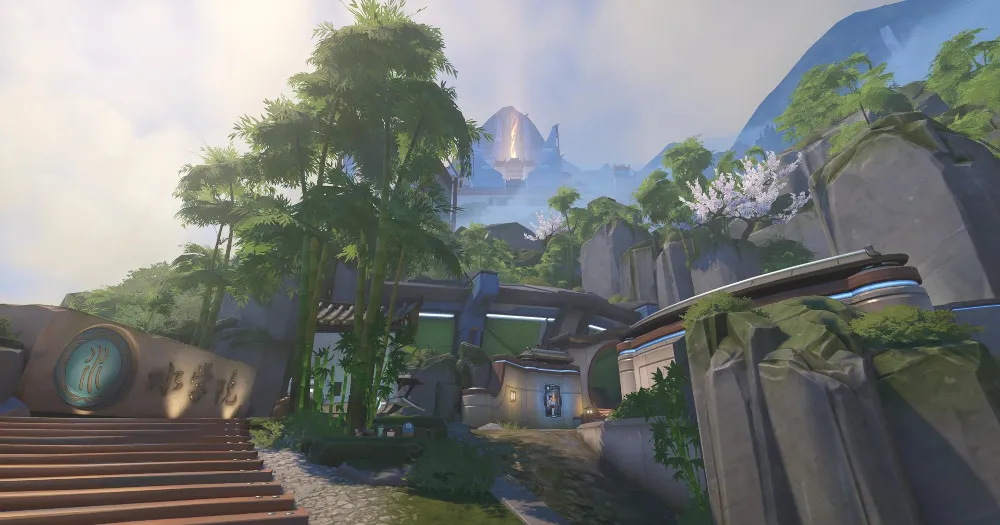
The limited-time community map Talantis — designed live on Twitch with viewer input by the Overwatch team — appeared briefly in Season 4. Runasapi (Season 11) and the first Clash maps, Hanaoka and Throne of Anubis (Season 12), followed. Season 16 in 2025 introduced Stadium, a new competitive format with dedicated maps: Arena Victoriae, Gogadoro, Place Lacroix, and Redwood Dam launched first, with Powder Keg Mine, Thames District, and Wuxing University — Water College arriving in Season 18.